Video games have always needed a platform, and while gaming PCs are often lauded for their customization and power, consoles have historically been the simpler, more accessible choice. Today’s consoles, like the Xbox Series X/S and PlayStation 5, blur the lines between traditional gaming consoles and high-performance computers. Even older consoles shared surprising similarities with computers of their time, making them pioneers of gaming technology.
Here’s a look at 10 video game consoles that can be considered gaming computers in disguise.
Contents
- 1. Nintendo 64: A Workstation in Disguise
- 2. Super Nintendo Entertainment System: Multimedia Aspirations
- 3. Sega Genesis: Macintosh-Level Processing
- 4. Nintendo Entertainment System: The 8-Bit Computer
- 5. Sega Dreamcast: Microsoft’s Influence
- 6. Xbox 360: IBM’s Gaming Collaboration
- 7. GameCube: Macintosh-Inspired Innovation
- 8. PlayStation 2: The Workstation Console
- 9. PlayStation 3: Sony’s Supercomputer
- 10. Xbox: The First Gaming Computer
- Final Thoughts
1. Nintendo 64: A Workstation in Disguise

The Nintendo 64, launched on June 23, 1996, was the most graphically advanced console of its generation. Its partnership with Silicon Graphics (SGI) was pivotal in developing its hardware, including the MIPS processor derived from SGI’s Onyx workstation. This 64-bit processor delivered groundbreaking visuals for games like Super Mario 64 and Diddy Kong Racing. The Nintendo 64’s computational power made it more than just a gaming console—it was a scaled-down workstation that redefined 3D gaming.
2. Super Nintendo Entertainment System: Multimedia Aspirations
Released on November 21, 1990, the Super Nintendo Entertainment System (SNES) showcased impressive graphical capabilities, evident in games like Donkey Kong Country and Star Fox. Powered by the Ricoh 5A22 processor, derived from the WDC 65C816, the SNES shared a lineage with Apple’s IIGS computer. However, its potential as a multimedia device was limited by the lack of a CD-ROM add-on, leaving it just shy of being a full-fledged computer.
3. Sega Genesis: Macintosh-Level Processing
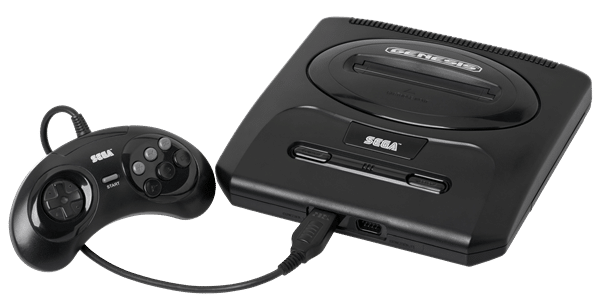
Launched on October 29, 1988, the Sega Genesis was built for speed and power, challenging Nintendo’s dominance. Its Motorola 68000 processor, also found in Macintosh and Amiga computers, allowed it to deliver a more computer-like gaming experience. This versatility was particularly evident in Sega CD games, which matched the presentation quality of PC titles. Sega’s approach positioned the Genesis as a hybrid between console and computer.
4. Nintendo Entertainment System: The 8-Bit Computer
The Nintendo Entertainment System (NES), which debuted on July 15, 1983, played a significant role in revitalizing the gaming industry. While widely recognized as a gaming console, its Ricoh 2A03 processor, derived from the MOS 6502, linked it to iconic 8-bit computers like the Commodore 64 and Apple II. In Japan, the Famicom version of the NES even offered computer-related accessories, including a keyboard and a BASIC interpreter.
5. Sega Dreamcast: Microsoft’s Influence
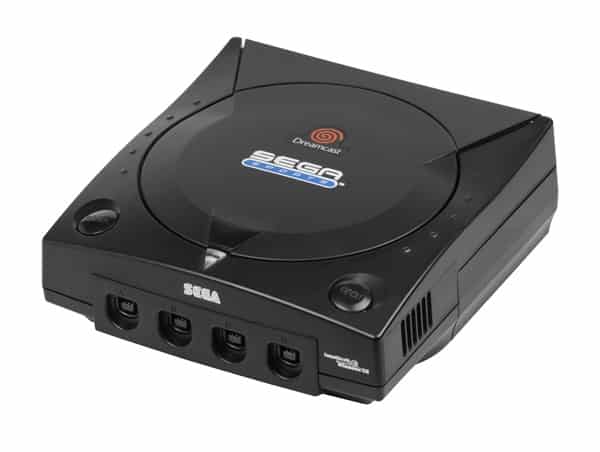
The Sega Dreamcast, launched on November 27, 1998, was ahead of its time, incorporating online connectivity and groundbreaking games like Phantasy Star Online. Microsoft contributed to its development by creating a software kit based on Windows CE, making third-party game development easier. Though short-lived, the Dreamcast bridged the gap between gaming consoles and PCs, paving the way for future hybrid devices like the Xbox.
6. Xbox 360: IBM’s Gaming Collaboration
Released on November 22, 2005, the Xbox 360 became a dominant force in the gaming market. Its hardware was co-developed by IBM and ATI, ensuring powerful performance that paralleled gaming PCs of the time. The Xbox 360’s architecture allowed for seamless third-party game development, making it a favorite for multiplatform titles. This console marked Microsoft’s peak in console innovation.
7. GameCube: Macintosh-Inspired Innovation
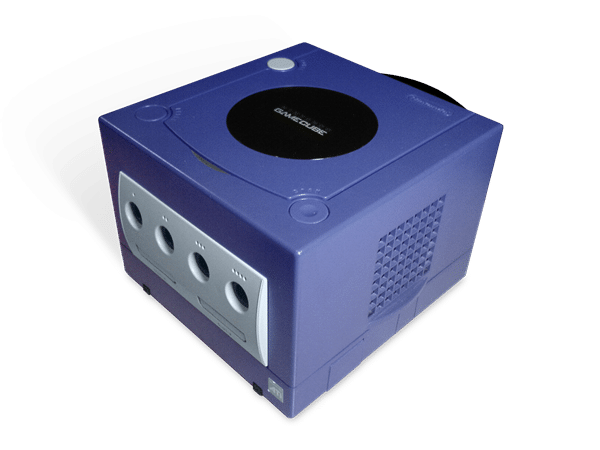
The Nintendo GameCube, launched on September 14, 2001, stood out for its powerful IBM PowerPC 750 processor and ATI graphics chip. These components, also used in Apple’s G3-based computers, allowed the GameCube to produce stunning visuals in games like Super Smash Bros. Melee. With its innovative hardware and optional keyboard accessory, the GameCube was a creative hybrid of console and computer.
8. PlayStation 2: The Workstation Console
Sony’s PlayStation 2, released on March 4, 2000, became the best-selling console of all time. Its Emotion Engine processor was based on SGI O2 workstation technology, allowing it to deliver advanced graphics in games like Gran Turismo 3. The PS2 could also be upgraded with a hard drive, keyboard, and even a Linux operating system, effectively turning it into a computer for enthusiasts.
9. PlayStation 3: Sony’s Supercomputer
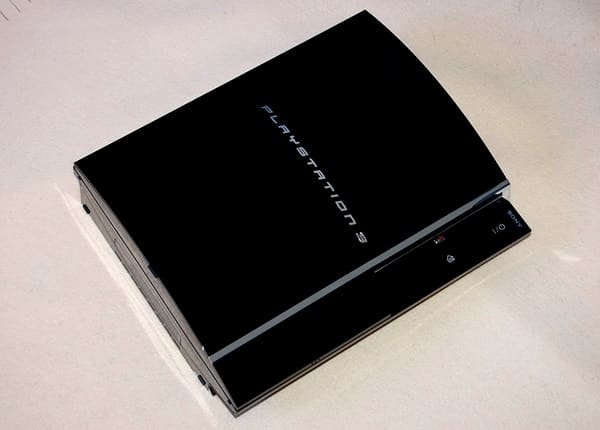
The PlayStation 3, which launched on November 11, 2006, took Sony’s ambition to the next level. Powered by the PowerPC Cell processor, also used in IBM supercomputers, the PS3 was marketed as more than a gaming console. Its ability to run Linux and handle multimedia functions like Blu-ray playback showcased its versatility, earning it the title of a supercomputer for the home.
10. Xbox: The First Gaming Computer
Microsoft’s original Xbox, launched on November 15, 2001, was essentially a gaming computer disguised as a console. With an Intel Pentium III processor and Nvidia Geforce 3 graphics chip, the Xbox delivered PC-like performance. Its operating system was a modified version of Windows 2000, further emphasizing its computer-like nature. The success of the Xbox laid the groundwork for Microsoft’s enduring presence in the gaming industry.
Final Thoughts
From the Nintendo 64’s workstation-inspired design to the Xbox’s PC-level architecture, gaming consoles have consistently borrowed from computer technology. These 10 consoles not only shaped the gaming landscape but also blurred the line between gaming systems and computers, proving that the best gaming experiences often come from innovation at the crossroads of these two worlds.