
In the vast expanse of the gaming world, few series have stirred as much passion and debate as The Elder Scrolls. With its rich lore, expansive worlds, and deep role-playing mechanics, the series has attracted a massive following. Among its releases, “Skyrim” and “Oblivion” are particularly influential. This article dives into a comprehensive comparison of these two games, exploring their mechanics, stories, character interactions, and the impact of their communities. Through this analysis, the article seeks to shed light on which game might hold the title of the superior Elder Scrolls experience, according to various criteria that matter most to gamers.
Game Mechanics
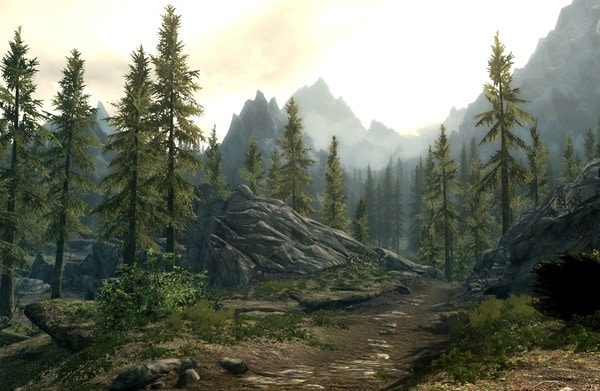
Skyrim introduced a refined, more accessible combat system that appealed to a broader audience, featuring streamlined skill trees and a more forgiving leveling system. While enhancing playability, these changes sacrificed some of the depth that Oblivion offered with its complex attributes and skill mechanics. Oblivion required players to strategically plan their character’s development from the start, making gameplay a more thoughtful process that hardcore gamers appreciated. This depth extended to its spellcasting and enchantment systems, where players could create and modify spells, adding a layer of customization that Skyrim simplified in its approach.
Conversely, Skyrim’s user interface and overall accessibility significantly improved over Oblivion’s often cumbersome systems. The newer game featured a sleek, minimalist HUD and a more intuitive quest journal, which helped players navigate its vast world with less confusion. However, Oblivion’s fans often cite the detailed, albeit clunky, interfaces as part of the charm that provided a deeper dive into the RPG elements. These contrasting approaches to game mechanics highlight a fundamental shift in design philosophy, from Oblivion’s complex systems that rewarded meticulous planning to Skyrim’s streamlined paths designed for broader appeal.
Story and Quest Design
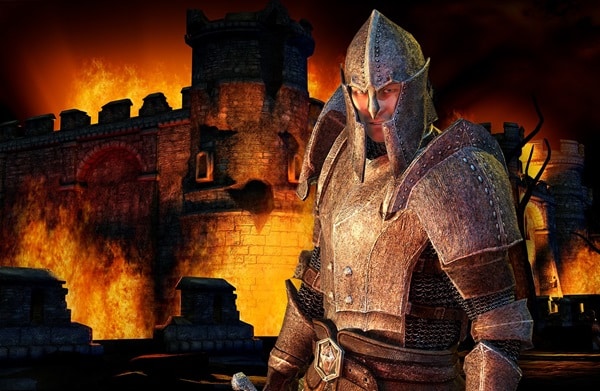
The narrative experiences of Skyrim and Oblivion are as vast as the lands they encompass, yet they offer distinctly different approaches to storytelling. Skyrim’s main quest line thrusts players into a civil war and a fight against dragons, embedding them in high-stakes conflicts that shape the entire realm. However, the quest designs often lead players on linear paths with limited outcomes, which, while cinematic, reduce the impact of player choices. Conversely, Oblivion boasts a main quest that involves stopping a demonic invasion, with numerous side quests that offer more varied endings and a greater sense of impact on the game world.
In terms of guilds and side quests, Oblivion is frequently praised for the quality and depth of its missions. The Dark Brotherhood and Thieves Guild quests in Oblivion are particularly noted for their intricacy and moral complexities compared to their counterparts in Skyrim, often seen as more straightforward and less engaging. These quests in Oblivion encourage exploration and interaction in a way that fosters a deeper connection to the world and its inhabitants, offering a richer, more rewarding RPG experience.
Character Development and Interaction
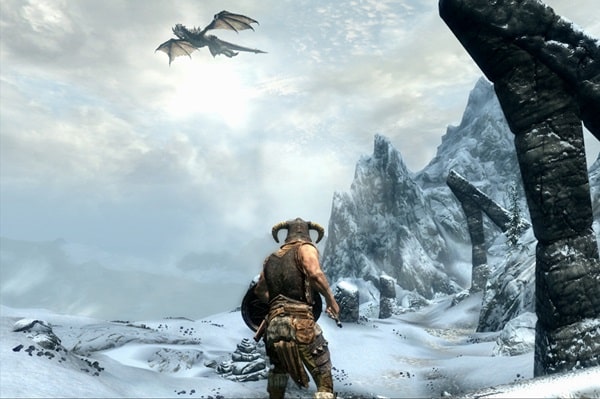
The character interaction in Skyrim and Oblivion is critical in shaping the player’s experience. Skyrim offers voiced dialogue for every character, an advancement that significantly enhances the game’s immersive quality. However, this came at the cost of diversity in dialogue options, which were more limited than Oblivion’s extensive lists that affected outcomes more distinctly. Oblivion’s characters might lack the same level of vocal variety, but the dialogue depth allowed for more nuanced interactions and a greater sense of player agency in conversations.
The role-playing aspect of Oblivion also shines through its reputation system, where NPCs react based on the player’s actions and fame, adding layers to the character development that Skyrim streamlined for accessibility. Players in Oblivion could feel the weight of their reputations affecting their interactions, whereas Skyrim’s static world often left player actions feeling less impactful. This difference highlights Bethesda’s divergent paths in developing each game, from Oblivion’s complex social mechanics to Skyrim’s more scripted but visually dynamic NPC interactions.
Community and Modding Impact
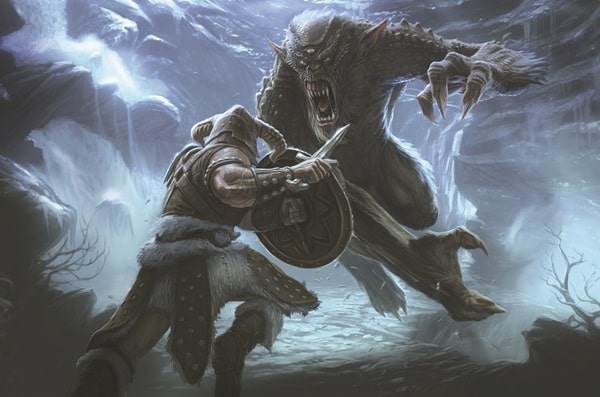
The modding communities for both Skyrim and Oblivion have played pivotal roles in extending the longevity and appeal of each game. Skyrim, with its more advanced engine and better graphics, has a larger and more active modding community. These mods have fixed bugs and added new content, from quests to environments, significantly expanding the game beyond its original limits. Oblivion, while older, also boasts a dedicated modding community that has continuously worked to keep the game relevant, enhancing graphics and adding user-created content that deepens the original experience.
The impact of these communities cannot be overstated, as they have fundamentally shaped how these games are played and perceived over time. Mods have addressed many of the criticisms of each game, from improving Oblivion’s awkward animations and facial expressions to adding depth and complexity to Skyrim’s sometimes oversimplified systems.
Personal Impressions and Player Experiences

Across gaming forums and discussions, personal testimonies often highlight players’ emotional and nostalgic connections with either Skyrim or Oblivion. Many gamers recall Oblivion as a gateway into serious RPGs, praising its immersive questlines and complex character interactions offering a sense of adventure and consequence. Its fans value the depth and flexibility of its systems, allowing for a more personalized and impactful gameplay experience. These personal stories underline the deep emotional engagement and satisfaction of mastering Oblivion’s intricate mechanics and narrative depth.
Conversely, Skyrim is often remembered for its breathtaking visuals and epic scope, bringing a cinematic quality to the player’s journey through Tamriel’s snowy peaks and dark dungeons. It’s accessibility and streamlined gameplay have introduced countless newcomers to the world of The Elder Scrolls, offering an engaging and less daunting entry point into RPGs. The game’s atmosphere, enhanced by an iconic soundtrack and a more modern interface, creates a compelling world that continues to attract and retain a broad audience. The personal experiences shared by Skyrim players often focus on moments of awe and grandeur, highlighting the game’s ability to deliver a powerful and visually stunning narrative experience.
Final Thoughts
Deciding which game, Skyrim or Oblivion, stands as the superior Elder Scrolls experience is complex, as each title excels in different aspects of game design and player engagement. Oblivion offers a depth of gameplay and narrative complexity that caters to fans of traditional RPGs. At the same time, Skyrim provides a more accessible and visually immersive experience that appeals to a broader audience. Ultimately, the better game may depend on what aspects of RPG gaming resonate more with individual players—whether they seek deep mechanics and rich storytelling or prefer a more streamlined and visually spectacular adventure.