In the digital age, how people socialize has undergone a significant transformation. From social media platforms to video conferencing tools, technology has expanded the avenues for human interaction. Amidst this digital revolution, online gaming has become a powerful platform for social engagement. This article delves into the multifaceted ways in which online gaming is redefining social interaction, from the dynamics of in-game communication to the psychological and economic impacts of virtual socialization.
The Rise of Online Gaming

Online gaming has come a long way since its inception. What started as simple, text-based multiplayer games have evolved into graphically rich, immersive worlds where millions of players interact in real time. According to a report by Newzoo, the number of online gamers is expected to surpass 3 billion by 2023, indicating a seismic shift in entertainment choices.
The transition from traditional gaming platforms to online environments has been swift. Arcade games and single-player experiences still hold nostalgic value, but the trend is clear: people are flocking to online platforms. The allure of global connectivity and endless social possibilities has made online gaming a dominant force in the entertainment industry.
Traditional Social Interaction vs. Online Social Interaction
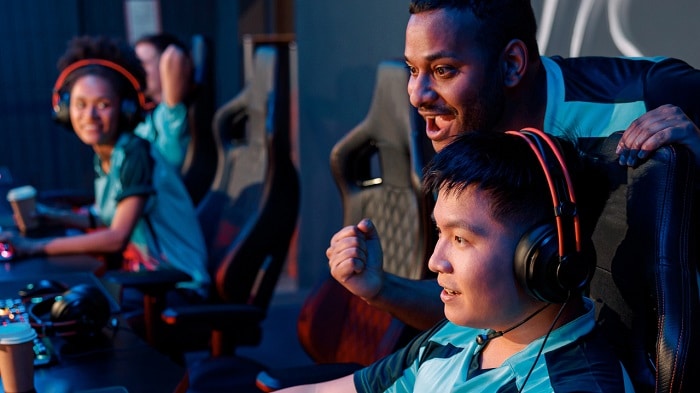
Traditional social interaction often involves face-to-face conversations, physical presence, and unspoken social norms. These interactions occur in various settings, such as family gatherings, workplaces, and social events. The intimacy and immediacy of these interactions have long been considered the gold standard for meaningful social engagement.
In contrast, online social interaction in gaming environments offers a different set of dynamics. Players interact through avatars, engage in missions collaboratively or competitively, and communicate via text or voice chat. While lacking the physical presence of traditional settings, online interactions provide a unique form of intimacy through shared experiences and objectives.
The Social Dynamics of Online Gaming

Online gaming is not just about the game itself; it’s also about the social interactions within these virtual worlds. Players form teams, engage in cooperative missions, and even create intricate social hierarchies. Games like “World of Warcraft” and “Fortnite” have their own cultures, languages, and social norms, making them akin to virtual societies.
Communication is a crucial aspect of these social dynamics. Most online games offer multiple channels for players to interact, such as text chats, voice channels, and even emotes. These tools facilitate a wide range of social interactions, from strategizing with teammates to forming friendships or rivalries. The complexity and depth of these interactions often rival those found in real-world social settings.
Building Communities in Virtual Worlds

Online gaming platforms have become fertile ground for the formation of vibrant communities. These communities often extend beyond the game itself, spilling over into forums, social media, and real-world events like conventions. Games like “Minecraft” and “Animal Crossing” have seen the rise of communities that collaborate on massive projects, share resources, and offer emotional support to fellow members.
Community managers and moderators play a pivotal role in shaping these virtual societies. They enforce rules, manage conflicts, and often act as liaisons between the game developers and the community. Their work ensures that the gaming environment remains inclusive and engaging, thereby fostering a sense of belonging among players.
The Psychological Impact of Online Gaming

Research on the psychological impacts of online gaming presents mixed results. On the positive side, studies have shown that online gaming can improve problem-solving skills, enhance teamwork, and even serve as a stress-relief mechanism. Games that require strategic thinking and cooperation can stimulate cognitive functions and emotional intelligence.
However, there are also negative psychological impacts to consider. Excessive gaming can lead to addiction, disrupt sleep patterns, and contribute to social isolation. Some individuals become so engrossed in the virtual world that they neglect real-world responsibilities and relationships, leading to a range of mental health issues.
The Economic Aspects of Social Interaction in Online Gaming

In-game purchases and microtransactions have introduced a new layer of social interaction in online gaming. Players often buy virtual items, skins, or emotes to stand out or gain a competitive edge. These purchases can serve as status symbols within the game, influencing how players are perceived by their peers.
Virtual economies within games are becoming increasingly sophisticated, often mirroring real-world economic systems. Players can earn, trade, and even invest in virtual currency, creating a complex web of economic interactions. These transactions add a layer of realism to the game and serve as a social lubricant, facilitating interactions and relationships among players.
Ethical Considerations in Online Gaming Socialization

The rise of online gaming communities has also brought forth ethical challenges, such as online harassment and toxicity. These issues can severely impact the quality of social interactions within the game and may even deter new players from participating. Game developers and community managers are increasingly focused on creating mechanisms to report and penalize disruptive behavior, but the problem persists.
Legal implications are another aspect of ethical considerations in online gaming. Data privacy, consent, and intellectual property rights are becoming increasingly relevant as players share more of their lives online. Game developers and governing bodies are working to establish guidelines and laws that protect players while fostering a healthy social environment.
The Future of Social Interaction in Online Gaming

Emerging technologies like virtual reality (VR) and blockchain are poised to further revolutionize the landscape of online gaming and social interaction. VR promises even more immersive experiences, allowing for a level of realism and engagement that current platforms can’t match. Blockchain technology, on the other hand, could provide secure, transparent systems for in-game transactions and ownership.
Speculation abounds regarding the future of social interaction in online gaming. As technology advances, the potential for more meaningful, complex social interactions within gaming environments grows. Whether through the integration of AI to create more lifelike NPCs or the development of new communication tools, the future holds exciting possibilities for how online gaming will continue to shape social interaction.
The Virtual Realm
Online gaming has evolved into a complex social ecosystem, far removed from its humble beginnings as simple text-based adventures. With billions of players worldwide, these virtual platforms have become significant venues for social interaction, replete with their own norms, economies, and ethical considerations. As emerging technologies like virtual reality and blockchain come into play, the potential for even more nuanced and meaningful social interactions within these digital realms increases. The transformative power of online gaming on social interaction is undeniable. As technology continues to advance, these virtual worlds will likely become even more integral to the way people socialize.