Retro gaming is experiencing a remarkable revival, captivating both old enthusiasts and new generations alike. This resurgence is not just about reliving fond memories; it’s a celebration of the art form that laid the foundations for the modern gaming industry. This post delves into why these pixelated classics are regaining popularity, exploring the unique charm and enduring appeal of old-school games. From the emotional tug of nostalgia to their influence on current gaming trends, this journey uncovers the reasons behind the renewed interest in retro gaming.
Contents
The Appeal of Nostalgia

Nostalgia plays a pivotal role in the resurgence of retro gaming. These games bring back memories of simpler times, offering a comforting escape to a world where high scores and 8-bit graphics reigned supreme. They serve as a time capsule, taking players back to moments in their lives marked by joy and wonder. This emotional connection is often missing in contemporary gaming experiences, which focus heavily on cutting-edge technology and complex narratives. The simplicity of retro games, with their straightforward mechanics and storylines, offers a stark but welcoming contrast to modern titles.
Retro games have transcended their original medium to become cultural icons. Their influence extends beyond gaming, inspiring trends in music, fashion, and even modern media. Characters like Mario and Sonic have become as recognizable as any pop culture figure, featuring in various forms of entertainment and merchandise. This cultural impact highlights the deep-rooted affection for these games, underscoring their significance beyond just pixels and scores. As such, retro gaming isn’t merely a pastime; it’s a crucial part of our cultural tapestry.
Technology Evolution and Accessibility
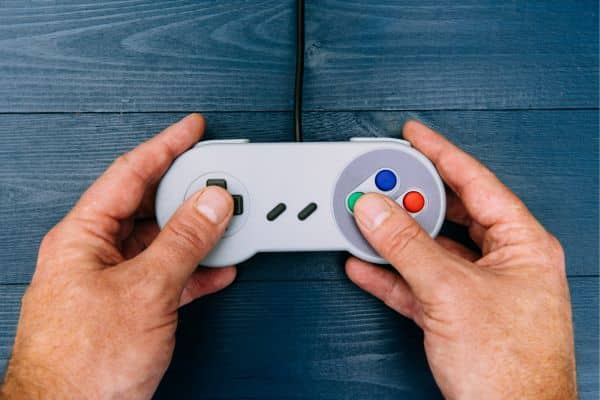
The evolution of technology has played a significant role in the resurgence of retro gaming. From the bulky consoles of the past to the sleek devices of today, gaming hardware has undergone a massive transformation. This technological advancement has brought about emulators and modern consoles capable of running classic games, bridging the gap between old and new. These developments have not only preserved the essence of retro gaming but have also introduced these classics to a broader audience.
Accessibility has been a game-changer in the revival of retro gaming. With the advent of online platforms and dedicated communities, classic games are now more accessible than ever. Gamers no longer need to hunt down vintage consoles or rare cartridges; they can easily find and play old favorites through digital downloads or streaming services. This ease of access has been instrumental in bringing retro games to those who missed them the first time, as well as reconnecting former players with their cherished past.
Graphics and Gameplay: Less is More

In the world of retro gaming, graphics and gameplay operate under the philosophy that ‘less is more’. The simplicity and charm of pixel art, a staple of many classic games, have an aesthetic appeal that stands out in today’s sea of high-definition graphics. These visuals convey stories and emotions with minimalistic designs, showcasing the artistic skill and creativity of the developers. This graphical style has not only aged well but has also inspired a whole genre of indie games, proving that good design is timeless.
The gameplay in retro games is often focused more on mechanics and story than on graphic fidelity. These games were crafted in an era where limitations in technology meant developers had to be creative with their storytelling and gameplay design. As a result, many retro games offer pure, undiluted gaming experiences that prioritize fun and challenge over visual spectacle. This emphasis on gameplay over graphics resonates with players who crave engaging, skill-based challenges, contrasting with some modern games that rely heavily on graphics to attract audiences.
Influence on Modern Gaming

Retro gaming has significantly influenced modern game development. Many contemporary game designers draw inspiration from the mechanics and styles of classic titles, integrating them into new games. This blending of old and new has led to a revival of retro styles and mechanics, creating a unique gaming experience that appeals to fans of all ages. Indie developers, in particular, have embraced this trend, often using retro aesthetics and gameplay elements to craft innovative and nostalgic gaming experiences.
The success stories of indie games inspired by retro gaming are a testament to the lasting impact of these classics. Titles like ‘Shovel Knight‘ and ‘Stardew Valley‘ have captured the hearts of gamers worldwide, combining retro-inspired graphics and gameplay with modern twists. These games pay homage to the past and push the boundaries of what can be achieved within the retro gaming framework. Their success highlights the enduring relevance and appeal of retro gaming elements in today’s gaming landscape.
The Collectors and Retro Gaming Communities

The culture of collecting is a fundamental aspect of the retro gaming community. Enthusiasts around the world treasure physical copies of games, vintage consoles, and rare merchandise, often viewing them as valuable pieces of history. This hobby goes beyond mere accumulation; it’s about preserving the legacy of gaming. The value of these collections often lies not just in their monetary worth but also in the nostalgia and personal significance they hold. Rare items, limited editions, and unique memorabilia are particularly coveted, reflecting the deep emotional connection collectors have with their hobby.
Retro gaming communities, both online and offline, serve as hubs for sharing knowledge, experiences, and passion for old-school games. These communities organize events, conventions, and meetups, bringing together fans from diverse backgrounds. They foster a sense of belonging and provide a platform for discussions, exchanges, and collaborations. Online forums and social media groups also play a crucial role in keeping the retro gaming spirit alive, enabling fans to connect and share regardless of geographical barriers. The camaraderie and shared enthusiasm within these communities underscore the social and cultural significance of retro gaming.
Educational Value and Historical Preservation
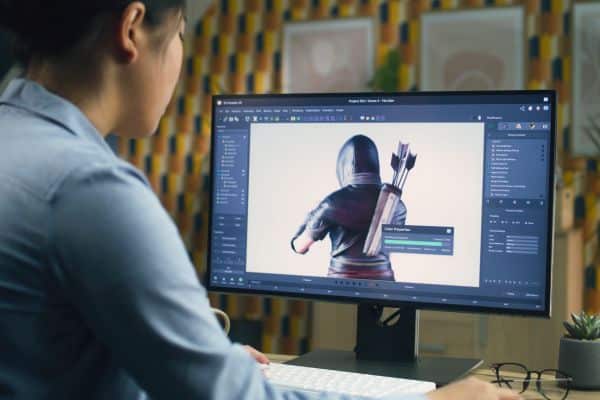
Retro gaming holds significant educational value, particularly for those studying game design and development. By analyzing classic games, students and enthusiasts can gain insights into fundamental design principles, storytelling techniques, and gameplay mechanics. These games serve as valuable case studies, showcasing how developers overcame technological limitations to create engaging experiences. Moreover, the simplicity of older games allows a clearer understanding of core gaming concepts, which can be essential for aspiring game designers.
The preservation of gaming history is another crucial aspect of the retro gaming resurgence. Institutions like video game museums and exhibitions play a vital role in this, showcasing the evolution of gaming technology and culture. These efforts ensure that future generations can experience and appreciate the origins and milestones of the gaming industry. Academic studies and literature focusing on retro gaming further contribute to its historical preservation, analyzing its impact on technology, culture, and society. This scholarly attention helps in recognizing video games as a significant part of our cultural heritage.
Retro Gaming in Pop Culture

Retro gaming’s influence extends well into pop culture, with numerous references and homages in movies, TV shows, and books. These nods to classic games not only evoke nostalgia but also highlight the widespread recognition and appreciation of these titles. Iconic characters and themes from retro games frequently appear in mainstream media, bridging the gap between gamers and non-gamers. This crossover showcases the universal appeal of these games, cementing their status as cultural icons.
Collaborations and cross-media projects have become increasingly common, blending retro gaming with other forms of entertainment. Special editions of games, exclusive merchandise, and fan projects celebrate the legacy of classic titles, often incorporating modern twists. These projects demonstrate the creative potential of retro gaming themes and their adaptability to various mediums. The enthusiastic reception of such initiatives by fans underscores the ongoing relevance and love for retro gaming in the broader cultural landscape.
Retro Gaming Will Never Go Out of Style
Reflecting on the enduring appeal of retro gaming, it becomes clear that its resurgence is more than just a trend. The blend of nostalgia, cultural significance, and educational value has cemented retro gaming as an essential part of the gaming landscape. As technology advances and the gaming industry evolves, the charm and simplicity of these classic games continue to captivate hearts. Their influence on modern gaming, pop culture, and communities worldwide is a testament to their lasting impact. Looking ahead, the future of retro gaming seems bright, promising continued appreciation and innovation in the years to come.