The rise of the Free-to-Play (F2P) model in the gaming industry has sparked debates on its influence on game quality and player experience. Initially introduced as an innovative approach to attracting more players, F2P has evolved from niche experimentation to a dominant market strategy supported by microtransactions, advertisements, and downloadable content. This article aims to dissect the impacts of this model on the gaming landscape, exploring whether it has enriched the gaming world or diluted the quality of gaming experiences.
Contents
Evolution of Free-to-Play

Free-to-play gaming has not always been the colossus it is today in the gaming industry. Originating from humble beginnings, early F2P games were often simple but set the foundation for the following sophisticated systems. As technology advanced, so too did the scope and ambition of these games, increasingly capturing the interest of a broader audience. The exponential growth of mobile gaming platforms has particularly accelerated the adoption and evolution of the F2P model, making games accessible to millions worldwide. This availability has shifted consumer expectations and demanded new strategies from game developers to captivate and retain a diverse player base.
Economic incentives drove developers towards the F2P model as the potential for continuous revenue from a single game became apparent. The global spread of internet access provided the perfect environment for this model to flourish. Games could now receive updates continuously, keeping the content fresh and engaging to encourage players to spend more. The ability to update games also allowed developers to respond to player feedback in real time, adjusting gameplay mechanics to optimize engagement and profitability.
Economic Impact on the Gaming Industry
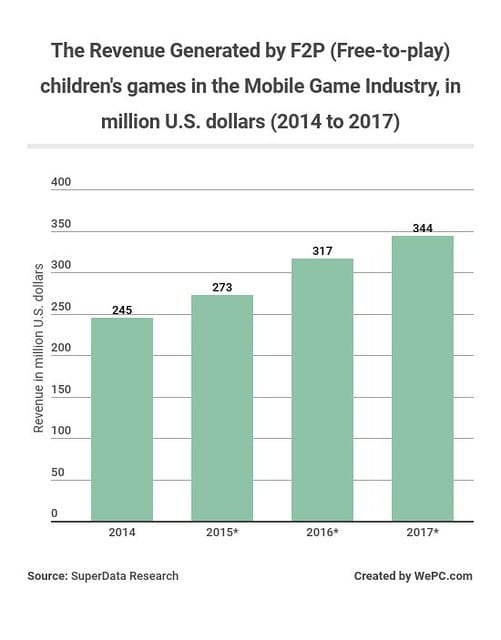
The economic ramifications of the F2P model have profoundly shaped the gaming industry’s landscape. By eliminating the entry barrier of a purchase price, developers have found that they can significantly expand their user base. This expansion, in turn, creates a larger pool of potential customers for in-game purchases, which has proven to be an exceedingly lucrative revenue stream. Major gaming companies have reported record profits primarily from microtransactions within F2P titles, underscoring the financial viability of this model.
Moreover, the success of F2P games has attracted vast amounts of investment into the gaming sector, from venture capital to established gaming giants reallocating resources to develop new F2P titles. This influx of funds has driven rapid advancements in game development technologies and platforms, further fueling the industry’s growth. However, this focus on profitability has raised questions about prioritizing revenue over player satisfaction, impacting game design and the overall quality of the gaming experience.
Changes in Game Design
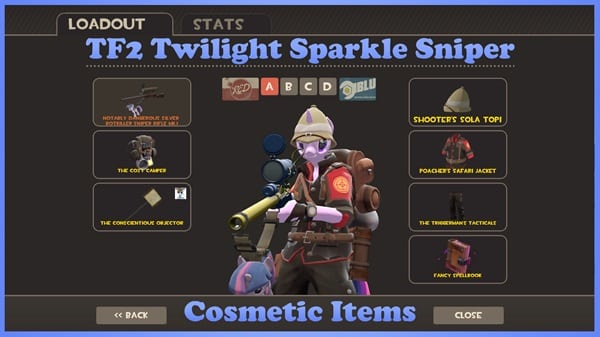
The shift towards F2P has significantly impacted game design, intertwining mechanics with monetization strategies. Developers are now incentivized to create games that attract players and entice them to spend money. This has led to the integration of various microtransactions within the game design, such as paying for cosmetic items, special abilities, or even progressing faster within the game. Such practices can influence the core gameplay loop, potentially prioritizing profit over gameplay balance and fairness.
Contrasting F2P games with traditional paid games reveals significant differences in design philosophy. Paid games typically provide a full upfront experience, rewarding players based on progression and skill. In contrast, F2P games often incorporate elements that can be unlocked or enhanced through purchases, leading to a disparity in player experience based on spending. This approach can affect how players perceive the value and fairness of a game, impacting their overall satisfaction and engagement.
Player Experience and Community

The F2P model has also transformed player experience and community dynamics. To keep players engaged, developers frequently update F2P games with new content, events, and features, which can help maintain a game’s relevancy and attractiveness over time. These updates are often designed to encourage community interaction and competition, fostering players’ sense of belonging and commitment. However, this constant need for fresh content can pressure developers to prioritize quantity over quality, potentially diluting the game experience.
Community feedback has become a pivotal aspect of F2P game development, with players regularly voicing their opinions on various platforms. Developers must navigate between implementing feedback that improves the game and managing expectations related to monetization practices. The community’s reaction can significantly influence a game’s reputation and success, making player engagement and satisfaction crucial for developers.
Quality of Content

F2P games depend heavily on sustained player interest for profitability, so the pressure to continuously generate content can lead to challenges in maintaining quality. The need to balance content quality with frequent updates is a tightrope walk for developers, often resulting in varied outcomes. Some studios succeed in delivering consistent, high-quality updates that enrich the player experience. In contrast, others may fall into the trap of releasing underdeveloped content to meet deadlines or financial targets.
This emphasis on ongoing content generation contrasts with traditional game releases, where the primary focus is delivering a complete product at launch. The iterative nature of F2P games allows developers to evolve and refine their offerings based on real-time player data and feedback. However, this model can also lead to a focus on features that are optimized for monetization rather than gameplay excellence. Over time, this can erode the core gaming experience, potentially alienating a segment of the player base who feel that aggressive revenue-generating tactics compromise the integrity of the game.
Market Saturation and Innovation

The success of the F2P model has led to a saturated market, with countless new titles vying for players’ attention and dollars. This saturation poses challenges for new and existing games, as developers must continually find ways to stand out in a crowded marketplace. The fierce competition can lead to innovation as companies seek to introduce unique features and gameplay mechanics to capture and retain a significant user base. However, the pressure to monetize effectively can also stifle creativity, pushing developers to conform to proven, potentially overused formulas that prioritize revenue generation over innovative gameplay.
This environment can create a paradox where the push for financial success might limit the scope of innovation within the F2P model. While some developers manage to break the mold and introduce groundbreaking features, others may become trapped in a cycle of iterative updates that do little to push the industry forward. The long-term impact of this trend is crucial for the future of gaming, as it could determine whether the industry continues to evolve or stagnates under the weight of its commercial success.
Final Thoughts
The Free-to-Play model has undoubtedly transformed the gaming landscape, providing opportunities and challenges in equal measure. While it has democratized access to gaming by removing upfront costs and enabled a dynamic, continuously evolving form of entertainment, it has also introduced complexities that affect game quality, player equity, and ethical standards. Whether F2P has “ruined” gaming is a multifaceted question that depends largely on one’s perspective on what constitutes games’ core value and purpose. As the industry continues to evolve, it will be the responsibility of developers, players, and regulators to shape the future of gaming in a way that preserves its spirit while embracing its potential for innovation and inclusivity.