In an era where gaming has become a prevalent form of entertainment, concerns about its impact on eyesight have grown increasingly common. This article delves into the scientific evidence and expert opinions to unravel the truth behind this concern. Are these worries grounded in reality, or are they merely myths? By examining the effects of prolonged screen time, the role of blue light, and distinguishing between short-term discomfort and potential long-term consequences, this article aims to provide a comprehensive understanding of how gaming might affect our eyesight.
Contents
- Understanding How Gaming Affects Eyes
- The Role of Blue Light
- Short-term vs. Long-term Effects
- Protective Measures and Gaming Hygiene
- Gaming Glasses and Their Effectiveness
- Children and Teens: A Vulnerable Group
- Balancing Gaming with Eye Health
- Future of Gaming and Eye Health
- Gaming and Eye Health – Striking a Balance
Understanding How Gaming Affects Eyes
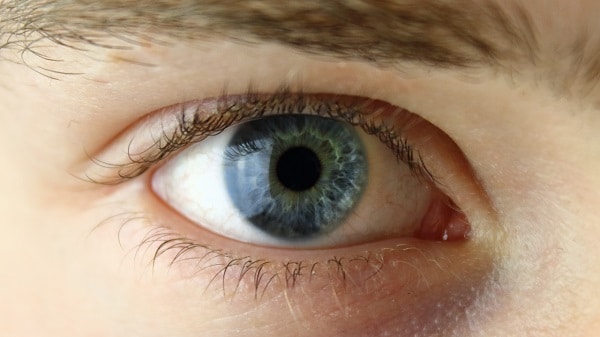
Extended periods of gaming inevitably lead to prolonged screen time, which has been associated with a variety of eye-related symptoms. Common issues include eye strain, characterized by sore, tired eyes and often accompanied by headaches, dryness, and blurred vision. This cluster of symptoms is frequently referred to as “Computer Vision Syndrome,” a condition increasingly relevant in today’s digital age. Understanding these symptoms is crucial, as they are the first indicators of the stress our eyes undergo during extended gaming sessions.
In addition to immediate symptoms, there are concerns about the longer-term impact of excessive screen exposure on eye health. The nature of video games, which often require intense focus and rapid eye movements, can exacerbate these symptoms. While temporary discomfort is common and generally not alarming, understanding when these symptoms might indicate a more serious issue is vital for gamers. This section aims to shed light on the immediate effects of gaming on our eyes, helping gamers recognize and respond to the signs of eye strain effectively.
The Role of Blue Light

One of the key concerns in the digital age is the effect of blue light, which is emitted in significant amounts by screens. This high-energy visible (HEV) light is known for its potential impact on our eyes and sleep patterns. While blue light is a part of natural sunlight, the concentrated dose from screens, especially during prolonged gaming sessions, can lead to discomfort and disruption of sleep cycles.
However, there’s a lot of misinformation surrounding blue light, particularly regarding its contribution to permanent eye damage. It’s important to distinguish between the myths and the scientific facts. This section aims to clarify what blue light is, how it affects us, and to what extent it’s a concern for gamers. We’ll also explore the measures that can be taken to mitigate its effects, providing practical advice for those who spend considerable time gaming or using screens.
Short-term vs. Long-term Effects

The distinction between the short-term and long-term effects of gaming on eyesight is critical in understanding the overall impact. Short-term effects are often immediate and noticeable, including eye strain, headaches, and temporary blurred vision. These symptoms, while uncomfortable, are generally reversible and can be managed with proper eye care and breaks during gaming sessions.
In contrast, the potential long-term consequences of prolonged screen exposure are a subject of ongoing research. Studies have begun to explore how sustained exposure to screen light and the intensity of focusing on games for extended periods might impact vision health over time. This section delves into what current research says about these long-term effects, offering insights into how serious these concerns are and what steps can be taken to minimize potential risks to our eyesight from long-term gaming.
Protective Measures and Gaming Hygiene
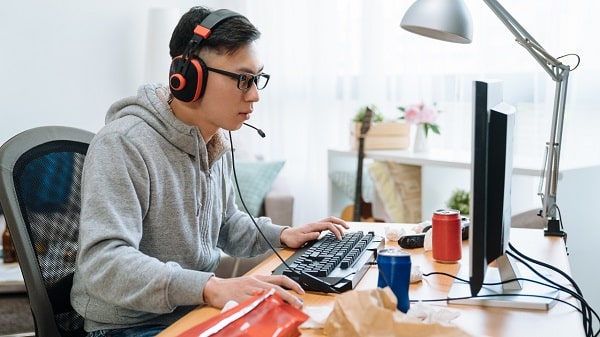
Adopting protective measures and maintaining good gaming hygiene are essential for preserving eye health. One of the most effective strategies is the 20-20-20 rule: every 20 minutes, take a 20-second break to look at something 20 feet away. This simple habit helps to reduce eye strain by giving the eyes a regular opportunity to adjust focus. Additionally, ensuring proper ambient lighting to avoid glare and positioning the screen at an appropriate distance and angle can significantly mitigate eye strain.
Regular eye check-ups are another critical aspect of eye care, especially for avid gamers. These checkups can help in early detection of any vision problems that may be aggravated by extensive screen time. Gamers should also be aware of the warning signs of serious eye issues, such as persistent pain, redness, or significant changes in vision. Adjusting screen settings for reduced brightness and contrast and using lubricating eye drops can also help in maintaining eye health during long gaming sessions.
Gaming Glasses and Their Effectiveness
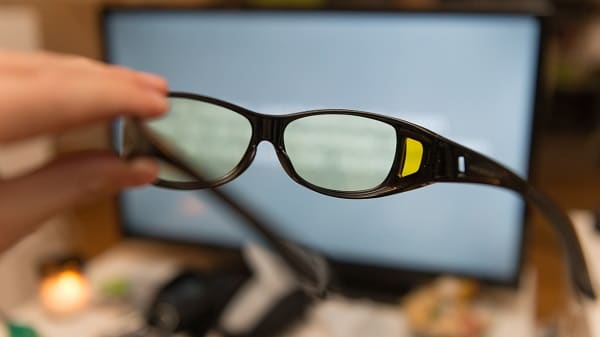
Gaming glasses have gained popularity as a tool to protect eyes from the potential harms of prolonged screen exposure. These glasses are designed to reduce glare and filter out blue light, with the aim of minimizing eye strain and improving overall comfort during gaming. While many users report a reduction in eye fatigue and improved sleep patterns, it’s important to examine the scientific basis behind these claims and understand how effective gaming glasses truly are.
This section will delve into the technology behind gaming glasses, analyzing whether they can actually shield the eyes from harmful screen emissions. We will explore expert opinions and studies, if available, to assess the effectiveness of these glasses in real-world scenarios. User experiences and testimonials will also be considered to provide a well-rounded view of the benefits and limitations of gaming glasses, helping gamers make informed decisions about their use.
Children and Teens: A Vulnerable Group

Children and teenagers represent a particularly vulnerable group when it comes to the potential impacts of gaming on eyesight. Their developing eyes are more susceptible to strain and damage from excessive screen time, making it crucial to establish safe gaming habits early on. Setting limits on screen time, ensuring regular breaks, and encouraging outdoor activities are key steps in protecting their eye health.
Parental guidance plays a pivotal role in managing screen exposure for young gamers. Parents can implement controls on gaming duration and ensure that their children follow healthy gaming practices. This includes monitoring the types of games played, as well as the environment in which gaming occurs, such as room lighting and screen distance. By fostering a balance between screen time and other activities, parents can help mitigate the risks of eye strain and other vision-related issues in children and teens.
Balancing Gaming with Eye Health

Balancing gaming with eye health is a crucial aspect for anyone engaged in regular gaming. It’s essential to structure gaming sessions in a way that includes regular breaks and activities that rest the eyes. This not only helps in reducing the risk of eye strain but also contributes to overall physical health. Encouraging habits such as looking away from the screen periodically, blinking more often to moisten the eyes, and engaging in eye exercises can significantly benefit eye health.
Furthermore, incorporating outdoor activities and physical exercise into one’s routine can have a positive impact on both eye health and general well-being. Exposure to natural light and engaging in activities that require looking at long distances can help in maintaining a healthy vision. For gamers, it’s important to strike a balance between their passion for gaming and their health, ensuring that both can coexist without detriment to their eyesight. This section will provide strategies and tips for maintaining this balance, emphasizing the importance of a holistic approach to health in the context of gaming.
Future of Gaming and Eye Health
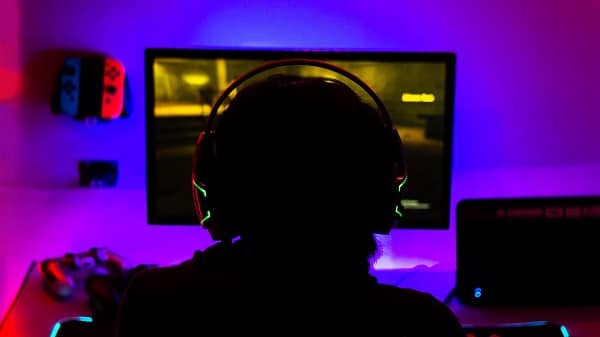
The future of gaming, with its rapid technological advancements such as Virtual Reality (VR) and Augmented Reality (AR), brings new considerations for eye health. These technologies offer immersive experiences but also pose unique challenges for the eyes, such as potential motion sickness and the strain of adapting to artificial 3D environments. As gaming technology evolves, it’s important to understand how these changes might impact our vision and what measures can be taken to safeguard eye health in the face of new gaming experiences.
Looking ahead, there is also the potential for positive developments in gaming technology that could benefit eye health. Innovations like eye-tracking software, which could reduce the need for excessive eye movements, and advancements in screen technology that minimize harmful emissions are on the horizon. This section will explore the potential risks and benefits of emerging gaming technologies on eyesight, as well as the anticipated research and developments in this field. Understanding these future trends is key for gamers and industry stakeholders alike to ensure that eye health remains a priority in the gaming experience.
Gaming and Eye Health – Striking a Balance
From understanding the immediate effects of screen time to adopting protective measures like gaming glasses and regular eye care, gamers can enjoy their passion without compromising their eye health. As we look to the future, balancing gaming habits with health-conscious practices remains key. Ultimately, this blog post underscores the importance of awareness and proactive measures in ensuring that the love for gaming coexists harmoniously with the well-being of our eyes.