In the vast universe of video games, where challenge and entertainment intertwine, some titles are notorious not for their charm but their sheer, often brutal, difficulty. These games, designed by major publishers for the average player, are the digital equivalent of a Sisyphean task. Meant to be enjoyed by all, they instead offer a gauntlet of insurmountable obstacles that few can hope to overcome without resorting to guides, cheats, or the dark arts of gaming. From flawed mechanics to intentional traps, these games stand as monuments to frustration and defeat, inviting players to try their hand at what could be a lesson in futility.
Contents
TMNT (Ultra DOS) – The Impossible Jump
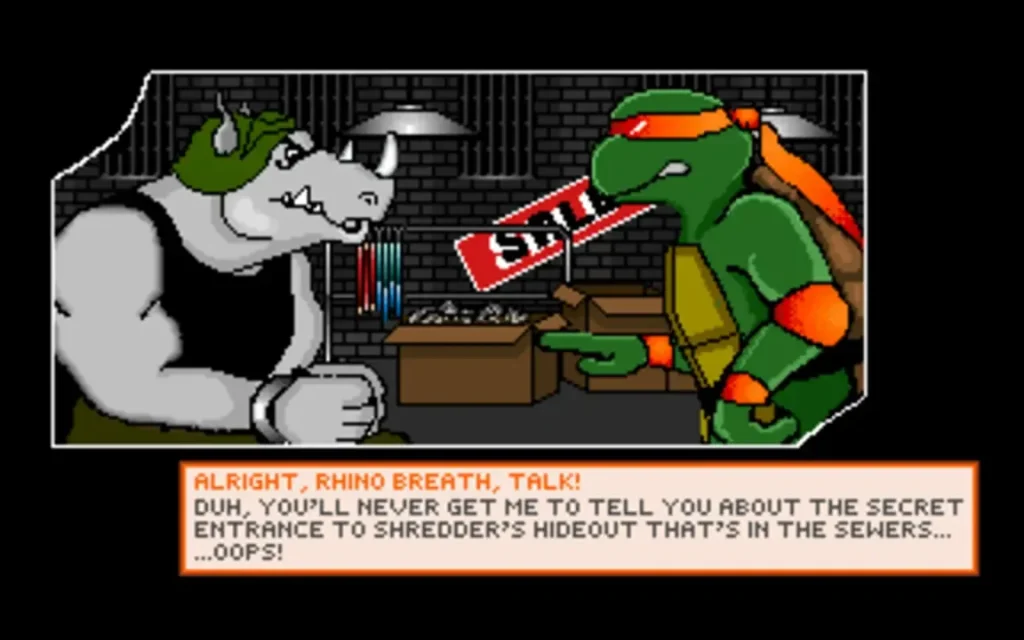
The PC-DOS release of “Teenage Mutant Ninja Turtles” is a stark example of how poor porting can transform a difficult game into an impossible one. In this version, players encounter a notorious jump that simply cannot be completed, regardless of skill or timing. The issue stems not from challenging game design but from a flawed adaptation of the game for DOS platforms. At the time, the absence of downloadable patches meant players were stuck with whatever version of the game they had, compounding frustration with feelings of helplessness.
This game, infamous among the gaming community, has been discussed in countless forums and videos, each recounting the same experience of hitting an insurmountable wall. Such issues highlight the sometimes precarious balance game developers must maintain when porting games to different platforms. The DOS version of TMNT challenges players’ skills, patience, and willingness to engage with a game that offers no real possibility of success.
Wizardry 4
“Wizardry 4” represents a unique blend of high difficulty and perplexing gameplay that borders on the arcane. Players begin trapped in a small room with only 1 HP, facing challenges that require strategic thinking and a fair share of luck. The game’s old-school RPG mechanics further enhance its complexity, where progressing often feels like solving a cryptic puzzle without any clues.
The game’s cruelty is such that many players never manage to leave the starting room, stumped by the game’s demand for precise actions under obscure conditions. This difficulty level is not by modern design but rather a reflection of an era where video games could be unforgivingly harsh and obtuse. “Wizardry 4” stands as a testament to the limits of patience and strategy, pushing the boundaries of what is reasonably expected of players in video games.
Battletoads (Rare Replay)

“Battletoads,” particularly in its “Rare Replay” release for the Xbox One, exemplifies how modern adaptations can exacerbate the difficulty of already challenging games. This version introduces a slight input lag due to wireless controllers and modern TVs, which is minimal enough to render certain stages, like the infamous Psycho Orb level, impossible to complete. Originally requiring pixel-perfect precision, the added lag disrupts timing to a degree that even seasoned players find insurmountable.
The game’s difficulty spikes dramatically after a deceptively enjoyable first level, morphing from a fun beat-up into a brutal gauntlet of ever-changing challenges and playstyles. Each stage tests players’ reflexes and their ability to adapt to new mechanics, a hallmark of the game that has cemented its reputation as one of the most difficult games ever created.
Frogger: He’s Back
“Frogger: He’s Back” revives the classic arcade challenge of crossing busy roads, but with a twist that amplifies the difficulty to new heights. Instead of simple street-crossing, players navigate complex levels filled with lethal traps while managing the original game’s hop-by-hop movement. The updated version introduces an unforgiving camera angle and limited lives, adding to the game’s challenge.
The design choices in “Frogger: He’s Back” transform what was once a straightforward arcade game into an almost punishing experience. Players must contend with nostalgic gameplay mechanics and adapt to an environment where every move could be their last. Despite being one of the more accessible games on this list, it remains a formidable challenge that can quickly drain both lives and player morale.
Tetris The Grandmaster 3: Terror Instinct
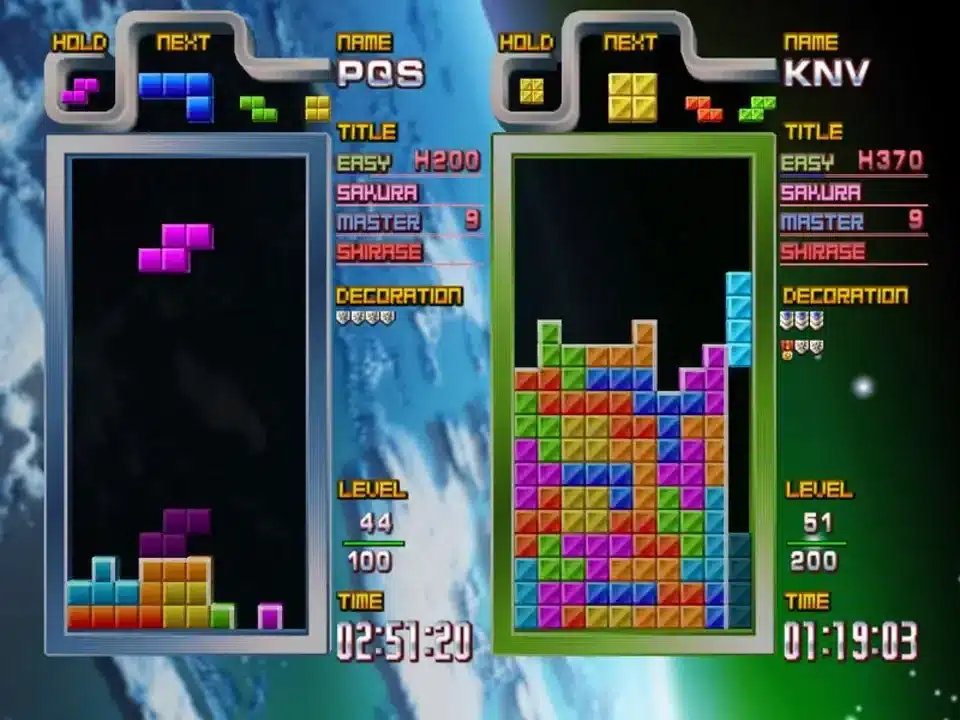
“Tetris The Grandmaster 3: Terror Instinct” elevates the classic puzzle game to an extreme difficulty level with its demanding conditions for victory. Players must not only clear lines with typical Tetris efficiency but also achieve a grade that is high enough to progress, a challenge that requires near-perfect play. The game introduces elements like instant drop, where pieces appear at the bottom of the screen without delay, demanding lightning-fast decisions from players.
The culmination of difficulty arrives with Invisible Tetris, a mode in which blocks disappear upon placement, forcing players to rely entirely on memory to navigate the later stages. This brutal twist tests the limits of human cognitive ability under pressure, making “Tetris The Grandmaster 3” an elite challenge reserved for the most skilled and practiced players. Few have mastered its intricacies, and even fewer can claim to have truly beaten the game, reflecting its status as one of the most daunting iterations of the beloved puzzle game.
Such an extreme challenge in a seemingly simple game like Tetris showcases the potential for any game to ascend into the realm of the unbeatable. It is a stark reminder that mastery requires more than understanding mechanics—it demands exceptional execution under the harshest conditions.
DonPachi (Hong Kong)
“DonPachi,” particularly its Hong Kong version, is a notorious entry in the Bullet Hell genre. In this game, players navigate through dense mazes of bullets that cover the screen. This game elevates the challenge by accelerating the bullet speed, making an already difficult game nearly impossible. The patterns’ overwhelming speed and complexity require quick reflexes and an almost precognitive sense of movement.
The difficulty of “DonPachi” symbolizes the Bullet Hell genre’s appeal to a niche audience that thrives on extreme challenges. With its intensified speed, the Hong Kong version represents a peak challenge within this already punishing genre. Players must engage in countless hours of practice and memorization, and even then, success is not guaranteed, underscoring the game’s brutal demand for perfection.
Winnie The Pooh: Home Run Derby

“Winnie The Pooh: Home Run Derby” is a surprisingly difficult game that has gained notoriety for its unexpected complexity and challenge despite its child-friendly facade. Players face increasingly difficult pitchers, each with unique abilities designed to ensure failure. The game progresses to levels of difficulty that feel disproportionately tough considering its intended audience, making it a peculiar standout among games reputed to be unbeatable.
The game’s status as a meme within the gaming community highlights the broader cultural impact of such unexpectedly difficult games. They challenge preconceived notions about audience and difficulty, proving that even games designed for children can feature barriers that frustrate seasoned gamers. This unexpected difficulty can allure and alienate players, creating a fascinating dynamic that is as intriguing as infuriating.
Exile: Wicked Phenomenon
“Exile: Wicked Phenomenon” changed localization and unintentionally increased its difficulty to nearly impossible levels. The adjustments to monster values were meant to balance the game but instead resulted in a punishing experience where players face overwhelming odds against enhanced enemies. This accidental amplification of difficulty is a cautionary tale about the potential impacts of minor tweaks in game development.
The narrative of “Exile” reflects the delicate balance game designers must maintain when modifying a game for different markets. The localization efforts aimed to provide a more challenging experience but crossed a threshold that made fair gameplay unattainable. This misstep demonstrates how easily a game’s difficulty can escalate from challenging to unbeatable, often with unintended consequences for players’ enjoyment and the game’s reception.
King’s Quest
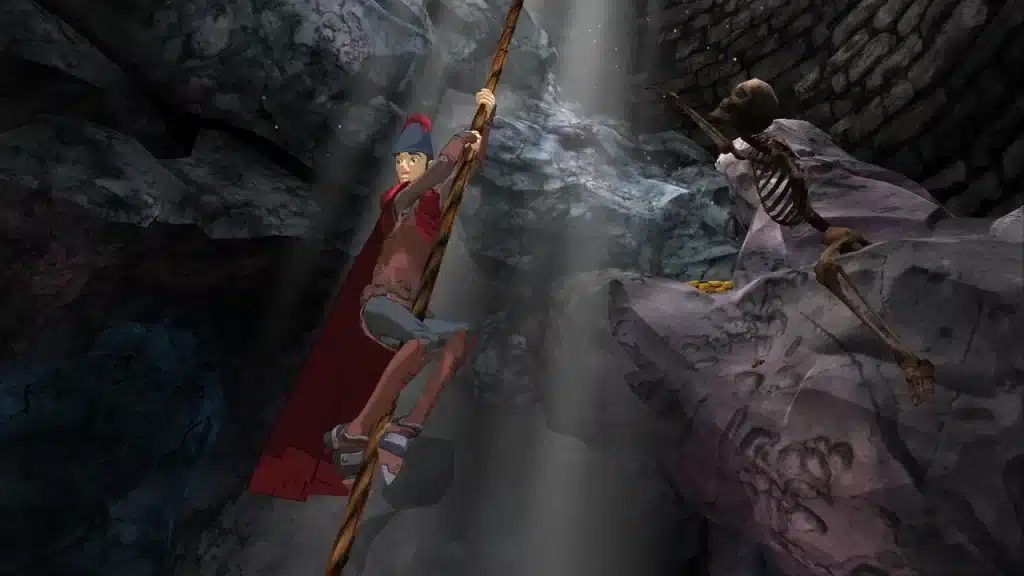
“King’s Quest” is renowned for its challenging puzzles, and one in particular—guessing Rumpelstiltskin’s name—is notoriously difficult. The puzzle involves deciphering a name using a complex cipher without explicit in-game clues, which demands lateral thinking and patience. This challenge indicates the broader difficulties present in adventure games of the era, which often required players to think outside conventional gaming logic.
The difficulty of “King’s Quest” puzzles, particularly in its original release, underscores the era-specific nature of video game challenges. Players were expected to solve problems without the aid of online resources or community support. The game’s reliance on cryptic puzzles and obscure solutions speaks to a time when video games offered entertainment and serious mental challenges, pushing the boundaries of what was expected in problem-solving.
Nyet 3
“Nyet 3” is a Tetris clone that introduces various punishing twists, such as random block spawning and playfield alterations, which complicate the already challenging game mechanics. Each level presents a new gimmick that requires players to adapt quickly or face inevitable defeat. The necessity of using cash to buy power-ups or save progress adds another layer of strategy, as players must carefully manage resources to have any hope of progressing.
The relentless difficulty of “Nyet 3” exemplifies the extreme challenges some developers incorporate into their games, transforming a familiar and beloved game into a test of endurance and strategic planning. Like many games on this list, “Nyet 3” challenges the player’s patience and skill in equal measure, offering a gaming experience that is as punishing as it is engaging, making it a fitting conclusion to a list of games that test the limits of what can be realistically conquered in the virtual world.
Final Thoughts
The games listed represent a spectrum of nearly unbeatable challenges that test the limits of players’ skills, patience, and strategic thinking. From flawed classics to intentionally brutal modern titles, these games serve as milestones within the gaming community, challenging players to rise to the occasion or concede defeat. As the gaming industry continues to evolve, the legacy of these unbeatable games will endure, reminding players that not every digital adventure is destined for victory.