The relationship between Hollywood and video games has always been a complex dance of admiration and adaptation, fraught with spectacular successes and notable missteps. Early attempts to translate the interactive thrill of video games into the narrative-driven medium of film and television often missed the mark, leaving fans longing for the immersive experiences they found in gameplay. However, as technology advanced and storytelling techniques evolved, a new wave of adaptations emerged that could bridge the gap between player and viewer with greater fidelity and creativity. This shift marks a significant turning point in the collaboration between two of the world’s most dynamic and influential entertainment industries.
The Rocky Beginnings
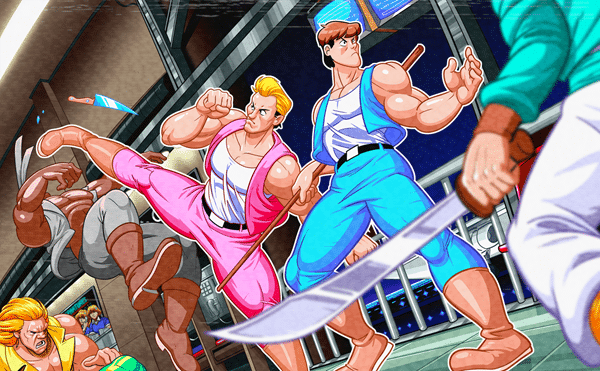
The 1990s marked an ambitious yet flawed era of video game adaptations, characterized by high-profile failures that seemed to underscore the chasm between the gaming and cinematic worlds. Films like “Double Dragon,” “Street Fighter,” and “Super Mario Bros.” were met with derision for their lack of fidelity to the source material and their failure to capture the essence of the gaming experience. These adaptations struggled to translate the interactive excitement of video games into a compelling narrative format, often resulting in films that felt disconnected from the original games and unsatisfying to fans and newcomers alike.
In contrast to the American market’s struggles, Japan found success by embracing the animated format to bring video games to life on the screen. Japanese audiences enjoyed many anime films and series based on popular video games during the 1990s, which were largely unknown to American viewers. These adaptations often remained faithful to the source material, capturing the essence of the games while exploring the stories and characters in greater depth. The success of these adaptations in Japan highlighted a path forward, suggesting that the medium of animation could offer a more natural translation of video game narratives to the screen.
A New Dawn for Adaptations

Despite the challenges and setbacks of previous decades, the landscape of video game adaptations began to shift in a more positive direction. The growing popularity of animation and the industry’s willingness to explore more mature, gritty storytelling paved the way for a new wave of adaptations that are more faithful to the source material. This evolution was driven by the recognition of the depth and complexity of video game narratives and the richly developed worlds and characters that had captivated millions of players worldwide.
This new era of adaptations has seen successes that have redefined what is possible when transitioning from game to screen. Projects like Netflix’s “Castlevania” series demonstrated that with a commitment to the original game’s atmosphere, story, and character development, adaptations could not only please long-time fans but also attract new audiences. These successful adaptations have leveraged the strengths of their source material, such as intricate lore and compelling character arcs, while also making creative adjustments to better fit the narrative demands of film and television.
Top 10 Video Game Adaptations
- Sonic the Hedgehog 2 (2022) – 69%
Building on the success of its predecessor, this sequel delighted audiences with its blend of humor, action, and heart. Including iconic characters like Knuckles, voiced by Idris Elba, and the return of Jim Carrey as the villainous Dr. Robotnik ensured its box office triumph, grossing over $405 million.
- Halo: The Series (2022) – 70%
Bringing the expansive universe of the “Halo” games to life, this series was praised for its faithful adaptation of the source material despite some deviations in narrative depth. Starring Pablo Schreiber as Master Chief, it promises further exploration in its upcoming second season.
- The Angry Birds Movie 2 (2019) – 73%
Surpassing its predecessor in humor and storytelling, this film became the highest-rated animated movie based on a video game on Rotten Tomatoes. It cleverly united birds and pigs against a common threat, proving that even simple game mechanics can inspire entertaining cinema.
- The Witcher (2019) – 81%
Adapted from both the books and the video games, “The Witcher” series on Netflix captivated audiences with its dark fantasy world and complex characters, notably Henry Cavill’s Geralt of Rivia. Its success has been so pronounced that it’s already looking beyond Cavill’s departure with future seasons planned.
- Dragon’s Dogma (2020) – 83%
This Japanese web anime adaptation captured the essence of the original game’s quest for revenge against a dragon, enriching the narrative with additional twists. Its global release by Netflix indicates the platform’s investment in adapting video game properties with care and creativity.
- Werewolves Within (2021) – 86%
A hidden gem in the video game adaptation landscape, this horror-comedy film based on a VR game turned a whodunit premise into a delightful cinematic experience. Its success on VOD platforms underscores the potential for indie game adaptations to find their audience.
- Castlevania (2017) – 94%
Netflix’s “Castlevania” emerged from development hell as a critically acclaimed series, praised for its mature storytelling, voice acting, and faithful adherence to the game’s lore. Despite its conclusion after four seasons, a spin-off promises to continue the legacy.
- The Last of Us (2023) – 96%
Anticipation was high for this adaptation of Naughty Dog’s critically acclaimed game, and it did not disappoint. Pedro Pascal and Bella Ramsey brought Joel and Ellie to life, earning praise for their performances and the show’s faithful yet expansive narrative.
- Cyberpunk: Edgerunners (2022) – 100%
Set in the universe of “Cyberpunk 2077,” this anime serves as a vibrant, action-packed prequel that enhances the lore of Night City. Its critical success highlights the storytelling potential in the video game world, sparking interest in both the series and the game.
- Arcane: League of Legends (2021) – 100%
With its stunning animation and deep dive into the lore of “League of Legends,” “Arcane” set a new standard for video game adaptations. Its universal acclaim and multiple awards have fans eagerly awaiting the next season, proving the lasting impact of high-quality adaptations.
Final Thoughts
The trajectory of video game adaptations from early failures to recent triumphs underscores a significant evolution in Hollywood’s approach to bringing these digital worlds to life. This journey reflects a growing respect for video games as a legitimate narrative depth and character development source. With the industry now achieving a better balance between authenticity and creative storytelling, the future for these adaptations appears promising. As Hollywood continues to refine its techniques and understanding of what makes video games so captivating, audiences can look forward to a new era of adaptations that faithfully capture the essence of their source material while offering compelling new visions on screen.