As online gaming continues to rise in popularity, concerns about its impact on children and adults alike have emerged. A new international study has drawn a concerning link between gaming’s “loot boxes” and gambling behaviors. Loot boxes, which are in-game rewards that allow players to buy items like costumes, tools, or armor, have become a major feature in many online games. However, the link between these loot boxes and mental health problems, including anxiety, depression, and gambling tendencies, has raised alarms for parents, educators, and mental health professionals.
Contents
- The Rise of Loot Boxes in Online Gaming
- International Study Finds Link Between Loot Boxes and Gambling
- The Mental Health Impact of Loot Boxes
- The Risk for Children: Future Gambling Concerns
- Recent Regulatory Actions on Loot Boxes
- Concerns Raised by Educators About Gaming and Learning
- The Financial Impact of Loot Boxes on Children
- The Broader Educational Impact of Gaming on Children
- The Need for Regulation and Parental Oversight
The Rise of Loot Boxes in Online Gaming

Loot boxes are virtual items within video games that provide random rewards, often offering costumes, upgrades, or in-game currency. These rewards can enhance a player’s gaming experience by improving their character’s abilities or appearance. Typically, loot boxes can be purchased using real money or earned through gameplay.
The increasing reliance on loot boxes has stirred debate due to their similarity to gambling. Many video game developers have implemented loot boxes in their games to drive in-game purchases, leading to a financial model that heavily benefits the gaming industry. While these loot boxes can enhance a player’s enjoyment, they also introduce new risks, particularly for younger players who may not fully understand the potential dangers.
International Study Finds Link Between Loot Boxes and Gambling

An international study involving over 1,400 adult gamers and gamblers has found a troubling connection between loot box purchases and gambling behavior. The research, conducted by Flinders University in Adelaide, Nottingham Trent University, the University of Gibraltar, and ELTE Eotvos Lorand University in Hungary, analyzed the effects of loot boxes on mental health and gambling patterns.
According to the study, there is a positive relationship between loot box buying and problem gambling. Researchers discovered that individuals who engage in risky loot box purchases are more likely to experience mental health problems such as anxiety, depression, stress, and impulsivity. The findings suggest that loot box purchasing may share similar mental health risk factors as other behavioral addictions, highlighting the potential for loot boxes to act as a gateway to problematic gambling.
The Mental Health Impact of Loot Boxes

The mental health risks linked to loot box purchasing are not to be taken lightly. Just like other forms of behavioral addiction, loot boxes can lead to heightened stress and impulsivity. Players who frequently purchase loot boxes may become preoccupied with obtaining rare items, leading to an increased desire to spend more money on loot boxes or engage in longer gaming sessions.
These compulsive behaviors can manifest in a range of mental health issues, including anxiety and depression. The randomness and excitement associated with loot boxes mirror the psychological mechanisms involved in gambling, where players experience highs from “wins” and lows from “losses.” This unpredictable nature can trigger anxiety and stress, particularly in younger players who are still developing emotional regulation skills.
The Risk for Children: Future Gambling Concerns
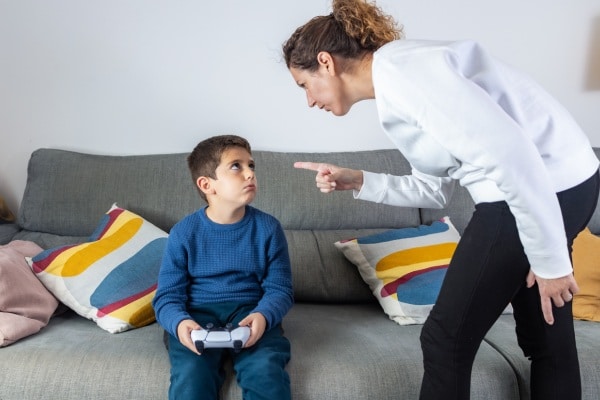
Professor Zsolt Demetrovics, a leading mental health expert from Flinders University, has voiced concerns about the impact of loot boxes on children. He warns that young players who spend money on loot boxes may be at risk of developing future gambling problems. Loot boxes, with their gambling-like mechanics, could potentially pave the way for more serious gambling behaviors in adolescence.
Demetrovics emphasizes the need for increased awareness among parents. Often, parents are unaware of the extent to which their children are exposed to loot boxes and gambling-like features in video games. While video game developers attempt to draw a clear distinction between video games and gambling, this distinction is becoming increasingly blurry as more games introduce gambling mechanisms like loot boxes.
Recent Regulatory Actions on Loot Boxes

In response to growing concerns about loot boxes, regulatory bodies have begun taking action. In Australia, the Australian Classification Board recently imposed an “M” (mature) rating on video games containing loot boxes or in-game purchases linked to chance-based elements. Games that incorporate gambling-like features, such as casino-style mechanics or in-game betting, are now receiving an “R 18+” rating, limiting their access to adults only.
These regulatory changes come in the wake of increasing pressure on game developers to address the potential harms associated with loot boxes. The classification changes are intended to protect children and ensure that games with gambling-like features are appropriately regulated.
Concerns Raised by Educators About Gaming and Learning

The impact of gaming on children’s education is another growing concern. Andy Mison, president of the Australian Secondary Principals’ Association, has highlighted the negative effects of constant gaming on students’ academic performance. Many schools have observed that students who spend excessive time gaming struggle with focus, concentration, and academic achievement.
Mison further argued that game developers have a moral responsibility to avoid creating games that are intentionally addictive. He pointed out that if developers are using algorithms that mimic gambling behaviors, it is both unconscionable and harmful to young players. Mison believes that technology should be used to benefit children, but developers must prioritize the safety and well-being of players by reducing the risk of addiction.
The Financial Impact of Loot Boxes on Children

Loot boxes have become a significant financial burden for many young gamers. According to reports from the Australian Institute of Family Studies, Australian teenagers spend between $10 and $70 per month on loot boxes. This behavior is not isolated to Australia; data from the Office of the eSafety Commissioner reveals that one in three children makes in-game purchases, often without fully understanding the financial consequences.
Loot box spending can quickly add up, placing pressure on both parents and young players. This financial burden can lead to problematic spending patterns, particularly if children begin to view loot boxes as an essential part of their gaming experience.
The Broader Educational Impact of Gaming on Children

The Organisation for Economic Co-operation and Development (OECD) has warned that excessive use of digital devices for leisure, including gaming, is negatively affecting academic performance in Australia. The OECD’s research found that students who spend more than three hours a day on digital devices for recreational purposes perform, on average, nine months behind their peers academically.
This decline in academic performance is concerning, as it reflects how excessive gaming can reduce time spent on studying and engaging in other educational activities. Encouraging a balance between gaming and learning is essential to ensuring that children are not sacrificing their education for entertainment.
The Need for Regulation and Parental Oversight
The link between loot boxes, gambling behaviors, and mental health issues is a growing concern for parents, educators, and regulators alike. With the rapid expansion of the gaming industry, it is crucial to implement measures that protect children from the harmful effects of loot boxes. Game developers must prioritize the safety of their players by avoiding addictive, gambling-like features, while regulators should continue to enforce stricter classifications on games that contain loot boxes.
Parents must also be vigilant in monitoring their children’s gaming habits and educate them about the potential risks associated with in-game purchases. By taking these precautions, we can ensure that the gaming experience remains enjoyable and safe for all players.