Valve’s Steam platform celebrates its 20th anniversary, marking two decades of profound impact on the gaming industry. Initially met with skepticism, Steam has evolved into the primary digital distribution platform for PC games, renowned for its vast library and innovative features. This celebration not only reflects on its humble beginnings but also underscores the platform’s journey through controversy, adaptation, and eventual dominance. As Steam continues to expand its offerings and reach, its anniversary sale serves as a reminder of its significant role in shaping how games are played, shared, and developed across the globe.
Contents
The Controversial Launch of Steam
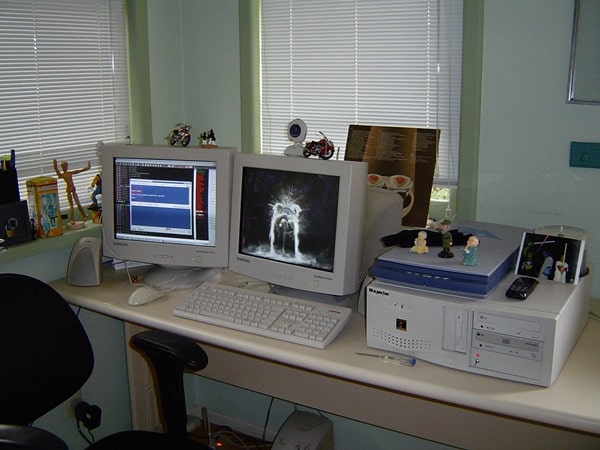
When Steam was introduced on September 12, 2003, the gaming community did not warmly receive it. Many PC gamers viewed it as an unwelcome gatekeeper, imposing DRM restrictions that seemed to only benefit publishers at the expense of user experience. The requirement to use Steam even for games purchased on DVDs, starting with the release of Half-Life 2 in 2004, further fueled the discontent, painting Steam as nothing more than a glorified DRM system. This resistance was symptomatic of a broader skepticism towards digital software distribution, reflecting concerns about ownership, access, and control over one’s purchased games.
Despite the rocky start, Valve persisted with its vision, continuously updating Steam to address user concerns and improve functionality. The initial backlash did little to deter Valve’s ambitions; instead, it set the stage for a series of strategic decisions that would gradually help Steam gain acceptance among the initially skeptical gaming community. Over time, as the benefits of instant updates, community features, and a growing library of games became apparent, Steam’s perception shifted from that of an intrusive DRM tool to a valuable gaming service.
Steam’s Pioneering Moves and Industry Pushback

Valve’s introduction of Steam also prompted a wave of resistance from other game publishers, who were reluctant to distribute their games through a competitor’s platform. Major companies like Electronic Arts and Ubisoft questioned the wisdom of relying on a third-party platform when they could develop or invest in their digital distribution systems, such as EA’s Origin and Ubisoft’s UPlay. This period was marked by a fragmented approach to digital distribution, with several big players attempting to replicate Steam’s model to retain greater control over their sales and customer interactions.
However, these publishers’ reluctance to embrace Steam didn’t slow Valve’s progress. Instead, Valve continued to innovate, adding features that benefited developers and gamers. Steam’s early adoption of community-driven features, such as user reviews and forums, helped set it apart from competing platforms, often seen as more restrictive or less user-friendly. Valve’s consistent commitment to improving user experience and developer access gave Steam a critical edge in the digital distribution market.
Turning the Tide: How Steam Won Over Gamers and Publishers

Valve’s strategic partnership with game publishers played a pivotal role in transforming Steam into the leading PC game platform. Deals with major publishers allowed a broader range of titles to be accessible on Steam, attracting more users. The success of Valve’s games, especially Half-Life 2 and its mods, demonstrated the potential of Steam as a platform for game distribution, community engagement, and mod support. These factors collectively contributed to a more positive reception among PC gamers, who began to see Steam as an indispensable part of their gaming lifestyle.
The tipping point for Steam came as it proved its value to players and publishers through enhanced security, streamlined distribution, and reduced piracy. These advantages made it increasingly difficult for competitors to match Steam’s appeal, leading many initially hesitant publishers to eventually embrace the platform. Today, nearly every major game publisher has a presence on Steam, highlighting its dominance in the market and the success of Valve’s long-term vision for the platform.
Expansion and Evolution of Steam
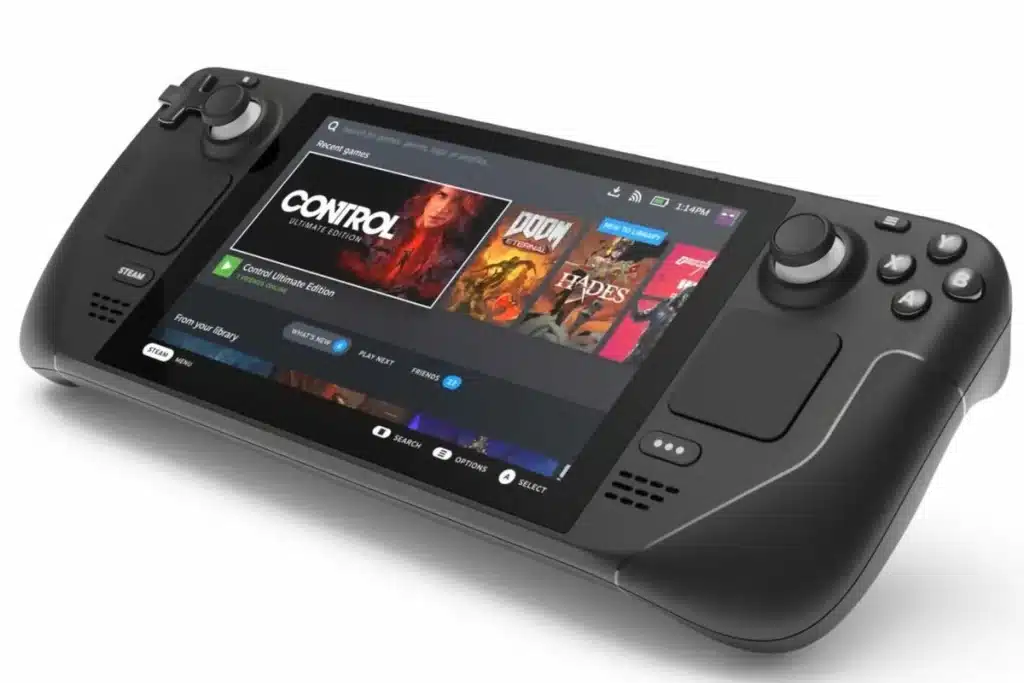
Over the years, Steam has grown from a simple game distribution service to a comprehensive gaming ecosystem. This expansion has included introducing features beyond game sales, such as the Steam Workshop for mod sharing and the Steam Community for player interaction. The platform’s evolution continued with integrating hardware initiatives like the Steam Controller and the Steam Link device, designed to enhance the user’s gaming experience on multiple fronts.
In recent years, the launch of the Steam Deck represents Valve’s latest innovation, providing gamers with a portable PC gaming experience that integrates seamlessly with their Steam library. This handheld device offers a new way to play and prompts improvements to Steam’s user interface, making it more accessible and enjoyable for a broader audience. These developments signify Steam’s commitment to adapting and evolving in response to the changing needs and preferences of the gaming community.
The Future and Legacy of Steam

Steam’s influence on the gaming industry appears poised to grow even further. Valve’s consistent push towards innovation and improvement suggests that the platform will continue introducing new features and technologies that could redefine digital distribution. Additionally, as Valve hints at exploring more of its history, there is potential for more interactive and immersive ways to engage with users, perhaps through virtual exhibitions or historical retrospectives similar to those seen in other industries. This could further solidify Steam’s role as a sales platform and a cultural hub for gaming history.
Moreover, Steam’s future might also see an expansion into new realms such as virtual reality (VR) and augmented reality (AR), areas where Valve has already shown interest. With VR’s increasing popularity, integrating more VR content and functionality into Steam could attract a new wave of users and developers, further diversifying its offerings and strengthening its market position. As gaming technology evolves, so will Steam, potentially leading the charge into the next generation of digital gaming experiences.
Final Thoughts
Over the past two decades, Steam has transcended its initial perception as a controversial DRM tool to become the cornerstone of PC gaming. Its journey reflects a broader shift in the gaming industry towards digital distribution, a movement that Valve participated in and significantly shaped. Steam has established itself as an indispensable platform for gamers and developers through continuous innovation, strategic partnerships, and a steadfast commitment to improving user experience. As Valve celebrates this 20-year milestone, the legacy of Steam stands as a testament to the transformative power of embracing change and pushing the boundaries of what is possible in the digital age.