Gaming has evolved from a niche hobby to a mainstream cultural phenomenon, captivating audiences worldwide. With its rising popularity comes an important question: How does gaming impact mental health? This article delves into the psychological effects of gaming, exploring both its positive and negative consequences. From cognitive benefits to potential risks, we’ll uncover the multifaceted relationship between gaming and mental well-being, offering insights into how this popular pastime shapes our minds and emotions.
Contents
- The Psychology of Gaming
- Positive Impacts on Mental Health
- Gaming and Enhanced Learning Abilities
- The Dark Side: Negative Mental Health Impacts
- The Social Aspect of Gaming: Isolation vs Community
- The Role of Gaming in Existing Mental Health Conditions
- Moderation and Healthy Gaming Habits
- Future of Gaming and Mental Health
- Reflecting on Gaming’s Impact on Mental Well-Being
The Psychology of Gaming

Gaming’s appeal lies in its unique combination of entertainment, challenge, and social interaction. It provides an immersive experience that can stimulate emotions ranging from exhilaration to frustration. At its core, gaming taps into basic psychological principles, such as reward systems, offering players a sense of achievement and satisfaction. This section explores these psychological mechanisms, highlighting how games can impact mood, behavior, and mental processes. It also delves into the concept of escapism, examining how games offer a refuge from reality and the implications of this for mental health.
The psychological impact of gaming extends beyond immediate emotional responses. Games often require strategic thinking, problem-solving, and quick decision-making, fostering cognitive development. However, there’s a fine line between healthy engagement and excessive use, which can lead to addictive behaviors and negative mental health outcomes. This section will explore the balance, discussing how gaming can be both beneficial and detrimental, depending on various factors such as duration, type of games, and individual differences among players.
Positive Impacts on Mental Health
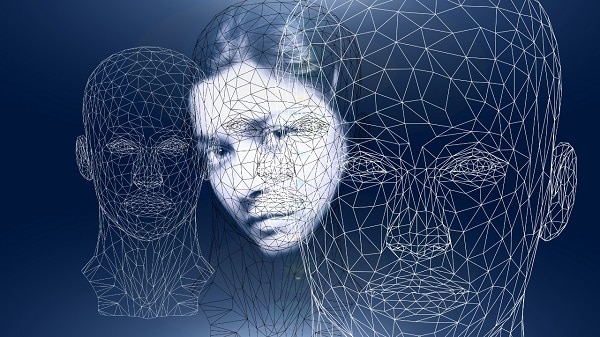
Gaming can offer significant cognitive benefits. Research suggests that certain types of games can improve problem-solving skills, enhance memory, and even boost brain processing speed. These cognitive enhancements are not limited to children or adolescents; adults can also experience mental agility improvements through regular gaming. This section will provide examples of games known for their cognitive benefits and discuss studies that support these claims.
In addition to cognitive benefits, gaming can have emotional and social advantages. Many players report stress relief and mood improvement after playing games. The interactive and often collaborative nature of many games can foster a sense of community and social connection. This heading will delve into how gaming can serve as an emotional outlet, provide relaxation, and enhance social skills by allowing players to interact with others in a virtual environment, offering insights from both players’ experiences and psychological studies.
Gaming and Enhanced Learning Abilities
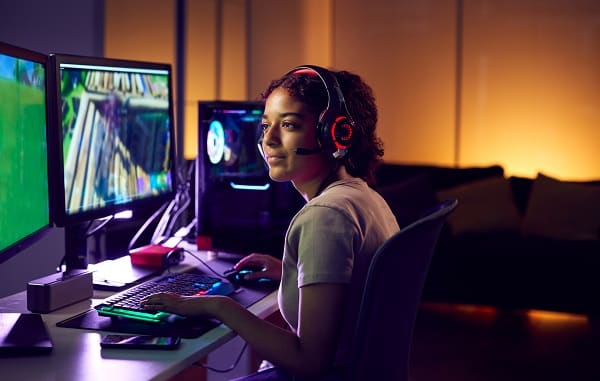
Gaming’s impact extends into the realm of learning and education. Educational games are designed to enhance learning skills, offering an engaging and interactive way to learn new information and develop various skills. This section will highlight some successful educational games and their specific learning outcomes, such as language acquisition, historical knowledge, and scientific understanding.
Studies have shown that gaming can positively impact cognitive functions related to learning, such as attention, spatial skills, and multitasking abilities. This section will analyze these studies, providing a comprehensive overview of how gaming can be a beneficial tool in both formal and informal educational settings. It will also address how different genres of games contribute differently to learning abilities, emphasizing the potential of gaming as a versatile and effective educational medium.
The Dark Side: Negative Mental Health Impacts

The immersive nature of gaming can lead to addictive behaviors in some individuals, characterized by excessive playtime, neglect of other responsibilities, and a compulsive need to play. This addiction can have severe consequences on mental health, including anxiety, depression, and social withdrawal. In severe cases, extreme gaming habits have been linked to physical health issues like poor sleep quality, a sedentary lifestyle, and related conditions. This section will explore the symptoms and impacts of gaming addiction, incorporating insights from mental health professionals and studies that have documented these negative outcomes.
Gaming’s impact on physical health, particularly sleep, is a growing concern. The blue light emitted by screens can disrupt sleep patterns, leading to insomnia and other sleep disorders. This, in turn, affects mental well-being, as poor sleep is a known risk factor for various mental health issues. Additionally, the sedentary nature of prolonged gaming sessions can lead to physical health problems, which can also negatively impact mental health. This heading will delve into the complex relationship between gaming, physical health, and mental well-being, supported by research findings and expert opinions.
The Social Aspect of Gaming: Isolation vs Community

Gaming’s social dimension can have contrasting effects on mental health. On one hand, single-player games can lead to isolation, especially when played excessively, potentially exacerbating feelings of loneliness and disconnection. On the other hand, multiplayer games and online communities can offer a sense of belonging and support, especially for individuals who may struggle with social interactions in the real world. This section will contrast these two aspects of gaming, examining how different types of games can either foster a sense of community or contribute to social isolation.
The online interactions that occur in gaming environments are a double-edged sword. While they can provide a supportive and engaging community, they can also expose players to toxic behaviors, such as cyberbullying, harassment, and aggressive competitiveness. This section will explore the dynamics of online gaming communities, discussing how they can influence mental health positively and negatively. Real-life examples and stories from gamers will be used to illustrate the impact of these online social interactions, offering a comprehensive view of the social aspect of gaming.
The Role of Gaming in Existing Mental Health Conditions

Individuals with pre-existing mental health conditions may be particularly affected by gaming. For some, gaming can serve as a coping mechanism, offering an escape from stress and anxiety. However, it can also exacerbate certain conditions, such as depression and anxiety disorders, especially when it leads to isolation or addiction. This section will delve into how gaming impacts those with existing mental health issues, discussing both the potential therapeutic benefits and the risks involved.
The nature of gaming as a coping mechanism is complex. While it can provide temporary relief from symptoms, it may also lead to avoidance behaviors, preventing individuals from addressing underlying issues. This heading will explore this complexity, drawing on studies and expert opinions to understand the potential risks and benefits of gaming for individuals with mental health conditions. It will also discuss how gaming can be integrated into therapeutic strategies, examining its role in modern mental health treatment plans.
Moderation and Healthy Gaming Habits
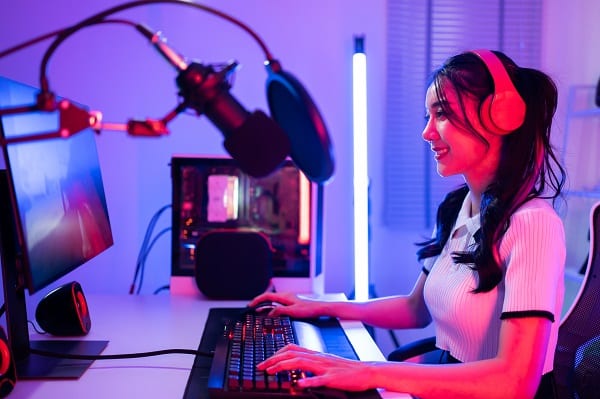
Balancing gaming with other aspects of life is crucial for maintaining mental health. Overindulgence can lead to negative consequences, whereas moderate gaming can be a beneficial activity. This section will provide practical tips for maintaining a healthy balance, including advice on setting time limits, choosing games wisely, and ensuring gaming does not interfere with other responsibilities like work, education, or family life. The importance of self-awareness in recognizing unhealthy gaming habits will also be discussed, along with strategies for making changes when necessary.
Expert advice and guidance from mental health professionals play a key role in developing healthy gaming habits. This part of the blog will include recommendations from psychologists and therapists on how to enjoy gaming in a way that positively contributes to mental well-being. It will cover topics such as the importance of physical activity, social interaction outside of gaming, and mindful gaming practices. Tips on identifying and addressing signs of gaming addiction will also be included, offering readers a comprehensive guide to healthy gaming.
Future of Gaming and Mental Health
The future relationship between gaming and mental health is an evolving topic, with new developments and research emerging regularly. This section will discuss predictions and trends in the gaming industry, such as the increasing use of virtual reality (VR) and augmented reality (AR) and their potential impacts on mental health. It will also explore how emerging technologies might change the way we understand and interact with games and the implications this has for mental well-being.
Ongoing research in the field of gaming and mental health is crucial for understanding and mitigating the potential risks associated with gaming. This section will highlight current studies and emerging areas of research, discussing how they may influence future practices and recommendations regarding gaming. It will also address the need for more comprehensive and nuanced studies to better understand the complex relationship between gaming and mental health. The importance of continuous dialogue between the gaming community, health professionals, and researchers will be emphasized as a key factor in navigating the future of gaming and mental health.
Reflecting on Gaming’s Impact on Mental Well-Being
From cognitive benefits and educational potential to risks of addiction and social isolation, gaming encompasses a spectrum of influences on mental well-being. It’s crucial for gamers, parents, educators, and mental health professionals to recognize and balance these aspects. By fostering healthy gaming habits and ongoing research, we can harness the positive aspects of gaming while mitigating its risks, ensuring that this popular pastime contributes positively to our mental health in this ever-evolving digital age.