In today’s digital era, the significance of maintaining robust password security has never been more critical. As the world increasingly moves online, so does the threat of cyber-attacks, which often target the weakest link in security practices: passwords. By understanding the vulnerabilities associated with poor password habits and learning to fortify personal data effectively, individuals can significantly reduce their risk of identity theft and data breaches. This article will explore the essentials of creating strong passwords, common vulnerabilities, technological aids for better security, and the importance of comprehensive cybersecurity measures.
Contents
The Anatomy of a Strong Password

Creating a strong password is the first defense in protecting online information. A strong password typically includes a mix of upper- and lower-case letters, numbers, and special characters and is at least 12 characters long. The complexity and length of a password significantly hinder attempts by hackers to crack it using brute-force methods. Additionally, unpredictable passwords that do not contain dictionary words, predictable sequences, or personal information drastically reduce the chances of successful guesses.
Despite knowing the importance of complex passwords, many continue using simplistic and easily guessable passwords. Common mistakes include using sequential keyboard paths (like ‘qwerty’ or ‘12345’), repeated characters, or familiar phrases. Such habits persist because many users prioritize convenience over security, often underestimating the potential risks of cyber threats. By educating themselves on the mechanics of strong passwords, users can begin to implement more secure practices in their digital lives.
The Most Common Password Pitfalls

The allure of easy-to-remember passwords leads many to make choices that put their online security at risk. For instance, using personal information such as birthdays, pet names, or anniversaries is prevalent. These are among the first variants a hacker will try to breach an account. Lists of the most commonly used passwords, including simple numeric sequences or widespread keyboard patterns, reveal how predictable human choices can be.
Hackers are adept at exploiting these common mistakes. Tools like password spraying, where common passwords are tested against numerous usernames, and credential stuffing, involving the automated injection of breached username/password pairs to gain unauthorized access, are frequent tactics. Understanding these risks highlights the need for users to adopt unique and complex passwords, thereby providing a tougher barrier against unauthorized access.
Technological Aids for Better Security

In the pursuit of enhanced security, technology offers some helpful tools. Password managers, for instance, play a crucial role by storing and generating strong, unique passwords for every account, meaning users don’t have to remember each one. This not only simplifies online activity but also strengthens security by minimizing the reuse of passwords across multiple sites.
Multi-factor authentication (MFA) also significantly bolsters password security by requiring additional verification methods to access accounts, such as a text message code or fingerprint scan. MFA adds an extra layer of defense, making it much more difficult for intruders to gain unauthorized access even if they have deciphered a password. Adopting these technological aids is a straightforward step individuals and organizations can take to enhance their cybersecurity posture.
The Role of Social Engineering in Password Theft

Social engineering remains a potent tool in the cybercriminal arsenal, primarily because it exploits human psychology rather than technological vulnerabilities. Attackers can bypass even the most robust security measures by deceiving people into divulging confidential information. Common tactics include phishing emails that mimic legitimate requests from reputable companies or urgent messages that invoke fear or urgency, prompting hasty actions from unsuspecting individuals.
Awareness and skepticism are crucial defenses against social engineering. Users should be wary of unsolicited communications asking for sensitive information and think twice before clicking on links or attachments in emails, especially if the source cannot be verified. Training in recognizing these tactics can dramatically reduce the likelihood of successful social engineering attacks, safeguarding personal and organizational data from malicious actors.
Beyond the Password—Alternative Security Measures
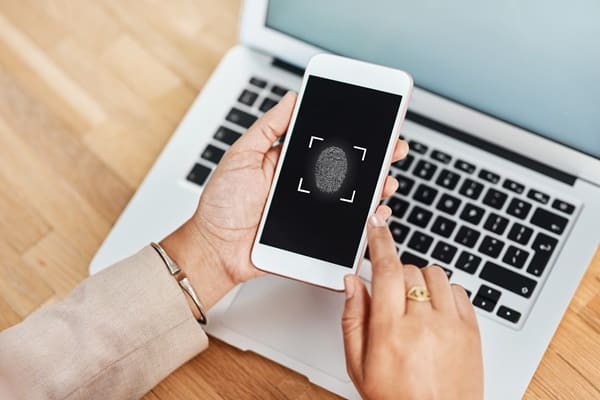
While passwords are a fundamental security, the future may lean towards more sophisticated and less fallible methods. Biometric security measures, such as fingerprint scanners and facial recognition technology, are becoming increasingly common thanks to their ability to offer quick and secure access to devices and applications. These methods provide a higher level of security as they are considerably more difficult to replicate or steal than traditional passwords.
The shift towards password-less systems is also gaining traction. Technologies like physical security keys or smartphone-based authentication apps offer convenience and enhanced security, potentially rendering passwords obsolete. By adopting these alternative security measures, users can protect their digital identities more effectively and conveniently, potentially revolutionizing how personal security is managed in the digital landscape.
Keeping Your Passwords Safe on Public Networks

Public Wi-Fi networks pose significant risks due to their typically low-security measures, making them a favorite target for attackers looking to intercept data. When using public networks, it is crucial to ensure that all sensitive activities are conducted over a secure connection, preferably through a virtual private network (VPN). A VPN encrypts internet traffic, making it much more difficult for hackers to access data transmitted over the network.
Users should also be cautious about the type of information they access or transmit on public networks and consider using secure websites (HTTPS) whenever possible. These simple precautions can greatly reduce the risk of password theft and other cybercrimes, safeguarding personal information even in potentially compromised environments.
Locking Down Your Digital Life
As we navigate an increasingly digital world, the importance of robust password security cannot be overstated. From understanding the fundamentals of a strong password to employing advanced security measures and fostering a culture of cybersecurity awareness, each step is crucial in securing our digital identities. By taking proactive measures today, individuals can safeguard their personal information against tomorrow’s cyber threats. Let this be a call to action for all: assess, improve, and secure your digital life with the comprehensive security strategies discussed herein.