In an era where digital privacy is more than a preference—it’s a necessity—many are unaware of how much data their cellphone carriers collect. From location tracking to browsing history, carriers have expansive access to personal information. This article aims to arm users with practical steps to shield their privacy, ensuring that their data remains personal.
Contents
Understanding How Carriers Collect Data

Cellphone carriers employ various methods to gather user data, including tracking location via GPS, analyzing browsing history, and monitoring app usage. This data helps carriers optimize services and target advertising but can also lead to privacy invasions. Users should understand that this collection isn’t just about improving user experience; it’s often monetized under the guise of marketing. Knowing the extent of data collection is the first step in protecting one’s privacy.
The implications of such data collection are vast. It can affect everything from personal security to consumer behavior. When carriers share this data with third parties, it can lead to targeted ads that are eerily accurate or, worse, breaches of sensitive information. By understanding what data is collected and how it is used, users can better navigate their options for protecting themselves.
Reviewing Carrier Privacy Policies

The first actionable step is to review your carrier’s privacy policy, which can typically be found on their website. These documents are often dense and filled with legal jargon, but they hold key information about how your data is treated. Look specifically for terms related to data retention, sharing practices, and any rights you have over your information.
When reading through a privacy policy, looking for certain elements is crucial. These include how long the carrier keeps your data, the types of data they collect, whom they share it with, and under what circumstances. Understanding these points helps users make informed decisions about whether they need to take further steps to restrict data collection or adjust their service use.
Utilizing Built-in Privacy Features

Most modern smartphones provide settings that allow users to limit how much data their carriers can access. For instance, turning off location services or managing app permissions can significantly reduce the amount of data collected. Users should explore their device settings thoroughly to understand all the available privacy options.
Additionally, some carriers offer privacy enhancements that users can opt into through their account settings. These might include options to disable certain types of data collection or to limit how your data is used for advertising purposes. Users should contact their carrier directly or visit their website to explore available privacy features and how to activate them.
Opting Out of Data Sharing

Users can opt out of data sharing with third parties to further protect privacy. Many carriers provide a process for customers to request that their data not be shared for advertising purposes. This usually involves filling out a form or adjusting your online account profile settings.
Besides carrier settings, third-party services help shield your data from brokers and advertisers. Tools like opt-out databases or services that remove your information from data broker lists can be effective. Regularly using these tools as part of your privacy routine can help maintain a lower profile against unwanted data collection.
Leveraging Encryption Tools

Encryption is a powerful tool in safeguarding communications from being intercepted or viewed by carriers. Encrypted messages and calls ensure that only the intended recipient can read or listen to what is sent. This prevents carriers from being able to access the content of communications as part of their data collection efforts.
Many apps, such as Signal or WhatsApp, provide end-to-end encryption for messages and calls. Users are encouraged to download and use these applications, especially when discussing sensitive information. Regularly using encrypted communication apps can significantly enhance your overall digital privacy.
Using a VPN

A Virtual Private Network, or VPN, is an essential tool for users who wish to keep their online activities private from carriers. A VPN encrypts all internet traffic from a device, making it difficult for carriers to track websites visited or data sent over the internet.
Choosing the right VPN provider is crucial as not all offer the same level of security. Look for providers who do not keep logs of user activity and offer strong encryption standards. Be wary of free VPN services, as they might monetize through other means like advertising or selling user data.
Switching to Privacy-focused Carriers

For those who find their current carrier’s privacy practices inadequate, switching to a carrier that prioritizes privacy might be the best option. Several smaller carriers advertise themselves as more privacy-conscious, offering transparent policies and fewer tracking practices.
When comparing privacy-focused carriers, consider their privacy policies, the transparency of their data practices, and customer reviews. It’s also worth considering the trade-offs, such as potentially higher costs or reduced network coverage, which can accompany the switch to a carrier that limits data collection.
Regularly Updating Your Privacy Settings
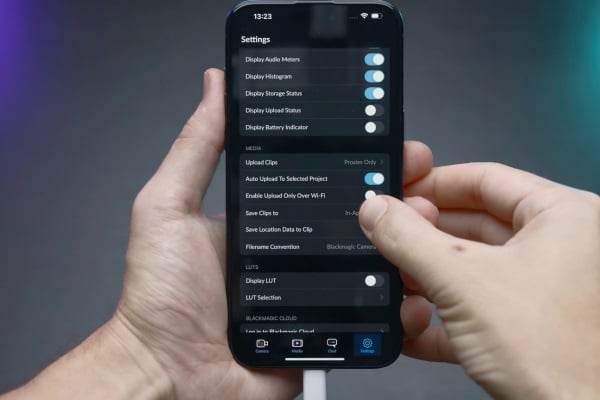
Privacy settings and carrier policies can change frequently, so users need to stay vigilant. Regular reviews of privacy settings on your device and any updates from your carrier can help you stay ahead of new data collection practices.
Users should also watch for updates from their carriers about changes in privacy policies or new data collection technologies. Being proactive in managing privacy settings and staying informed about carrier practices is crucial in maintaining control over personal data.
Final Thoughts: Taking Control of Your Data
Taking control of your privacy in a digitally connected world is more important than ever. You can significantly enhance your digital privacy by understanding how your data is collected, actively managing your privacy settings, and using tools like VPNs and encryption. Remember, protecting your personal information starts with taking proactive steps and staying informed about cellphone carriers’ ever-evolving practices.