November 2004 stands out as a pivotal moment in the history of gaming. This month alone saw the release of several seminal games, each of which left an indelible mark on the industry. From groundbreaking technological advancements to narrative achievements, these titles not only defined a generation but also helped shape the future of gaming. Here, we revisit these iconic games of 2004, exploring their impact and legacy.
Contents
- Grand Theft Auto: San Andreas – Redefining Open-World Freedom
- Halo 2 – Revolutionizing Console FPS
- Half-Life 2 – Setting a New Standard for Storytelling and Technology
- Counter-Strike: Source – Pioneering Competitive eSports
- Metroid Prime 2: Echoes – Expanding a Beloved Franchise
- Vampire: The Masquerade – Bloodlines – Cult Classic Despite Rough Start
- Metal Gear Solid 3: Snake Eater – A Stealth Masterpiece
- World of Warcraft – Creating a Gaming Phenomenon
- Final Thoughts
Grand Theft Auto: San Andreas – Redefining Open-World Freedom
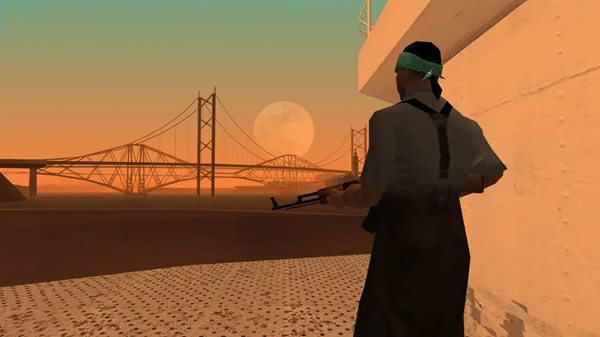
Released at the tail end of October 2004, “Grand Theft Auto: San Andreas” extended its influence well into November and beyond. As the fifth main installment in the GTA series, San Andreas shattered sales records by selling 4.5 million units in its first week, a staggering 45% increase over its predecessor. The game’s expansive open-world design, deep narrative, and a vast array of gameplay enhancements set new standards for the genre. Despite controversies, such as the infamous Hot Coffee minigame, San Andreas received universal acclaim, boasting a Metacritic score of 95/100, which underscored its critical and commercial success.
Halo 2 – Revolutionizing Console FPS
On November 9, 2004, Bungie released “Halo 2,” eagerly anticipated following the monumental success of “Halo: Combat Evolved.” With an innovative approach to online multiplayer and a compelling story, Halo 2 became a cultural phenomenon, grossing $125 million on its opening day. The game not only sustained the Xbox’s popularity but also influenced numerous aspects of first-person shooters, proving that consoles could deliver an experience on par with PC gaming. Its critical reception was stellar, mirroring San Andreas with another 95/100 on Metacritic.
Half-Life 2 – Setting a New Standard for Storytelling and Technology

Valve’s “Half-Life 2,” released on November 16, 2004, was more than just a game; it was a showcase of the potential of video games as a medium. Powered by the new Source engine, it featured physics-based gameplay and a riveting, immersive narrative that captivated players worldwide. Critics lauded it, and it achieved a Metacritic score of 96/100, the highest for any game released that year. Half-Life 2’s legacy extends beyond its gameplay, influencing the development of other titles and helping establish Steam as the preeminent digital distribution platform.
Counter-Strike: Source – Pioneering Competitive eSports
Also utilizing Valve’s Source engine, “Counter-Strike: Source” debuted on November 1, 2004, bringing the popular Counter-Strike series to a new generation of gamers. While it maintained the core tactical gameplay, its improved graphics and updated mechanics attracted a broader audience, laying the groundwork for what would become a thriving eSports scene. The game received positive reviews across the board, evidenced by a solid 88/100 on Metacritic and a remarkable 96% positive user reviews on Steam.
Metroid Prime 2: Echoes – Expanding a Beloved Franchise
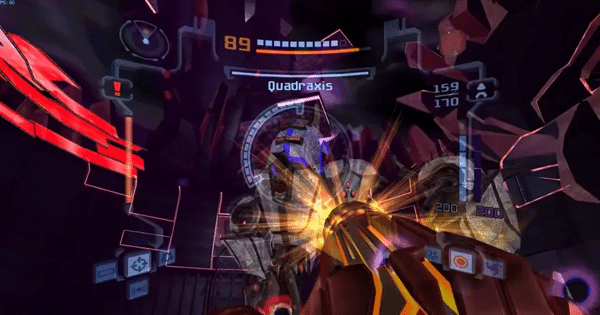
Nintendo’s “Metroid Prime 2: Echoes” hit the shelves on November 15, 2004, building on the success of its predecessor by enhancing every aspect of the game, from visuals to gameplay depth. Although it was the first in the series to introduce multiplayer features, it was the single-player experience that garnered the most praise, earning a 92/100 on Metacritic. Despite facing stiff competition from other major releases, Echoes proved to be a critical success, ensuring the continuation of the Metroid Prime series.
Vampire: The Masquerade – Bloodlines – Cult Classic Despite Rough Start
Releasing alongside Half-Life 2 on November 16, “Vampire: The Masquerade – Bloodlines” suffered from initial technical issues due to its premature use of the Source engine. Despite these hurdles, it developed a cult following thanks to its complex narrative and deep role-playing elements. Over time, appreciation for Bloodlines has only grown, highlighting its influence on the RPG genre and paving the way for a long-awaited sequel.
Metal Gear Solid 3: Snake Eater – A Stealth Masterpiece

Konami’s “Metal Gear Solid 3: Snake Eater,” launched on November 17, 2004, took players back to the origins of the Metal Gear saga. Featuring a unique survival mechanic, intricate stealth gameplay, and a story that explores the complex themes of loyalty and betrayal, Snake Eater is often considered the pinnacle of the series. With a Metacritic score of 91/100 and strong sales, it set a high bar for narrative depth and gameplay innovation in stealth games.
World of Warcraft – Creating a Gaming Phenomenon
On November 23, 2004, Blizzard Entertainment released “World of Warcraft” (WoW), which quickly became the standard by which all other MMORPGs are measured. Its accessible gameplay, rich narrative landscape, and vibrant community attracted millions of players, peaking at 12 million subscribers in 2010. WoW’s design has profoundly influenced the MMORPG genre and remains a vital part of gaming culture, continually updated with new content to maintain its relevance in the gaming community.
Final Thoughts
The games released in November 2004 collectively pushed the boundaries of what video games could be. From groundbreaking open-world experiences and advancements in storytelling to the refinement of online multiplayer, these games left a legacy that still resonates in the industry today. As we look back, it’s clear that this month was not just significant for its high-profile releases, but for setting the course of gaming for years to come. As these titles continue to be celebrated, remastered, and remembered, their impact is a testament to the enduring nature of quality game design and innovation.