The gaming world is experiencing a monumental shift. More gamers are choosing to watch gameplay rather than play it themselves. This change in behavior is not just a passing trend but a redefinition of gaming culture. With platforms like YouTube and Twitch leading the charge, it’s clear that the future of gaming will be shaped as much by spectators as by players. Understanding why this shift is happening and its implications for the gaming industry is essential for game developers, publishers, and content creators.
Contents
The Evolution of Gaming Culture

For decades, gaming was centered on active participation. Players took control, made decisions, and engaged directly with the storylines. However, as video content became more accessible, watching gameplay became just as entertaining as playing. Today, gaming isn’t just about participation—it’s about observation. Platforms like Twitch, YouTube, and social media have turned gaming into a spectator experience, where viewers tune in to watch others play.
Factors Fueling the Rise of Game Watching

- Accessibility and Convenience Watching games is more accessible than playing. No need for high-end consoles, PCs, or the latest game releases. Viewers can simply stream their favorite games on phones, tablets, or smart TVs. Watching also allows people to experience gameplay without the commitment of time or money.
- Community and Social Connection Watching games builds a sense of community. Fans connect with streamers and other viewers through live chats, comments, and social media. This interactive experience gives viewers a feeling of belonging, making it more engaging than solo gameplay.
- Entertainment Value Streamers, YouTubers, and esports athletes have turned game watching into an art form. Their humor, commentary, and unique gameplay styles make watching them more entertaining than playing solo. Viewers tune in for the personality and spectacle just as much as the game.
Impact on the Gaming Industry
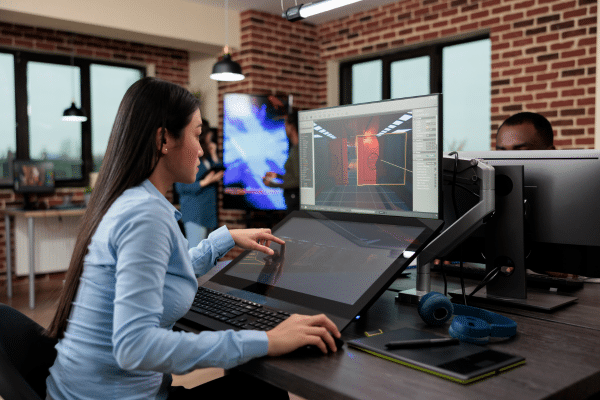
- Revenue Opportunities Watching games has created new revenue streams. Advertising, sponsorships, and paid subscriptions on platforms like Twitch are booming. Companies are capitalizing on this shift by partnering with streamers to promote their games and products.
- Game Design Changes Game developers now factor in “watchability” during development. Games with high visual appeal, intense action, and shareable moments thrive in the spectator space. Titles like Fortnite and Among Us are proof that games designed for streaming success often become cultural phenomena.
- Esports Growth Esports has risen from niche competitions to massive global events. Fans now watch esports tournaments with the same enthusiasm as traditional sports. The popularity of esports has skyrocketed, with millions of viewers tuning in to watch competitive gaming events.
The Role of Content Creators and Influencers

Streamers and content creators are at the heart of this shift. These individuals aren’t just playing games—they’re entertainers, hosts, and community leaders. Their ability to connect with audiences transforms them into influencers, shaping which games become popular. Brands recognize their value, partnering with them to market new game releases and products.
Demographic Shifts in Gaming Audiences

The rise of game watching has expanded gaming’s appeal beyond traditional players. People who once considered themselves “non-gamers” now watch gaming content. Platforms like YouTube cater to all demographics, with gaming content appealing to children, teens, and adults. Additionally, the increase in female streamers and viewers reflects a more inclusive gaming culture.
Challenges and Criticisms
- Passive Consumption Some critics argue that passive game watching could reduce active gameplay. Instead of building problem-solving skills, viewers simply watch others solve puzzles and complete missions.
- Content Moderation Platforms face challenges with moderating live streams. Unlike pre-recorded content, live broadcasts can include inappropriate behavior or language. Ensuring a safe and inclusive viewing experience remains a top priority for platforms.
Future Prospects for Game Watching
- Blending Playing and Watching Game developers may merge playing and watching, creating hybrid experiences. Interactive live streams, where viewers can influence gameplay decisions, are already being explored.
- Continued Growth of Esports Esports is on track to rival traditional sports in terms of viewership and sponsorship deals. As esports events become more accessible to global audiences, viewership is expected to grow exponentially.
Final Thoughts
The shift from playing to watching games is transforming the gaming industry. Game watching has evolved from a niche hobby to a mainstream form of entertainment. Developers, publishers, and creators must recognize and adapt to this shift, embracing it as an opportunity to grow their audience and revenue. As esports, live streaming, and influencer-driven marketing continue to grow, game watching will remain a fundamental part of modern gaming culture.