Call of Duty, once a titan in the gaming industry, known for its innovative gameplay and gripping storylines, has experienced a noticeable decline over the years. This article delves into the multifaceted reasons behind the franchise’s downfall, tracing its journey from peak popularity to its current state. By examining various aspects, such as market saturation, technological challenges, and shifts in gamer preferences, this exploration aims to provide a comprehensive understanding of how and why Call of Duty lost its commanding position in the gaming world.
Contents
- The Early Success of Call of Duty
- Market Saturation and Repetitiveness
- The Rise of Competitors
- Technological Stagnation and Bugs
- Community and Fanbase Discontent
- Missteps in Monetization Strategies
- Impact of Management and Development Changes
- Loss of Cultural Relevance
- Reflecting on Call of Duty’s Decline: Lessons for the Future
The Early Success of Call of Duty
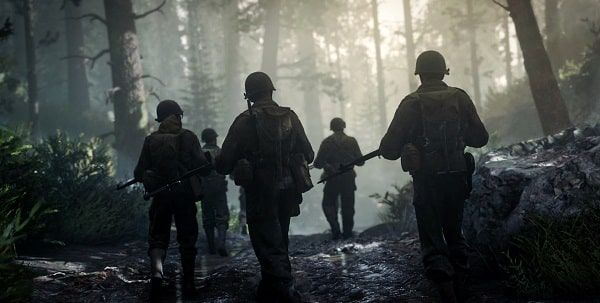
Call of Duty initially captivated gamers with its authentic portrayal of warfare and groundbreaking mechanics. The early games in the series, notably the first few releases, were lauded for their immersive experiences, engaging storylines, and innovative multiplayer modes. These elements not only set a high standard for first-person shooters but also established a loyal fanbase. However, this success story was not to last indefinitely. The same elements that once contributed to the series’ acclaim gradually began to show signs of aging, setting the stage for a decline.
The shift in the franchise’s direction was gradual but noticeable. While the initial games were praised for their narrative depth and realistic depiction of warfare, later installments began to drift towards more fantastical and less grounded scenarios. This change was a double-edged sword; while it attracted new players looking for a more adrenaline-fueled experience, it simultaneously alienated long-time fans who valued the series’ original ethos. The divergence from its roots was one of the first signs that Call of Duty was moving away from the formula that had once defined its success.
Market Saturation and Repetitiveness
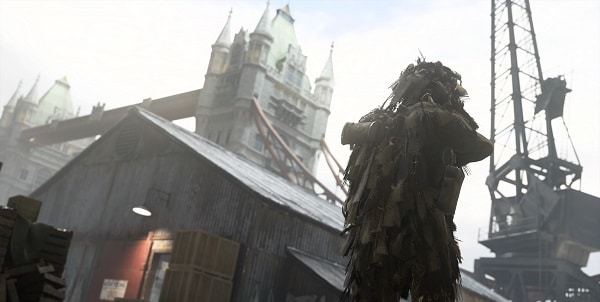
The rapid release cycle of Call of Duty games soon began to contribute to a sense of market saturation. Every year, a new installment arrives, often with only minor updates or changes from its predecessor. This strategy, initially a strength due to the high demand for the franchise, gradually became a weakness. Players and critics alike started to voice concerns about the repetitiveness of themes and gameplay, noting a lack of significant innovation or evolution in the series. The predictability of each release diminished the excitement and anticipation that had once surrounded new Call of Duty games.
The perception of the franchise as being stuck in a cycle of repetitive content was compounded by the growing competition in the first-person shooter genre. Gamers, presented with an array of options, began to gravitate towards fresher experiences offered by new titles. The criticism wasn’t just about what was present in the games but also about what was missing – new mechanics, storylines, and innovative features that could reinvigorate the series. As a result, Call of Duty started losing its hold on the market, a victim of its own unwillingness to evolve.
The Rise of Competitors

The decline of Call of Duty coincided with the rise of formidable competitors in the first-person shooter genre. Games like Battlefield, Overwatch, and later, Fortnite not only matched but, in some aspects, surpassed what Call of Duty offered. These competitors introduced new gameplay mechanics, more engaging multiplayer experiences, and graphics that leveraged the latest technological advancements. Their success was a stark reminder of the stagnation setting into the Call of Duty series.
Furthermore, these competing franchises managed to carve out their niches by offering distinct experiences that appealed to different segments of the gaming community. For instance, Battlefield became known for its large-scale battles and vehicular warfare, while Overwatch gained popularity for its character-driven, team-based gameplay. Call of Duty’s attempt to stick to its traditional formula, in the face of such innovation, made it seem outdated. The shifting preferences of gamers, who now sought variety and novelty, played a significant role in the franchise’s declining popularity and sales.
Technological Stagnation and Bugs
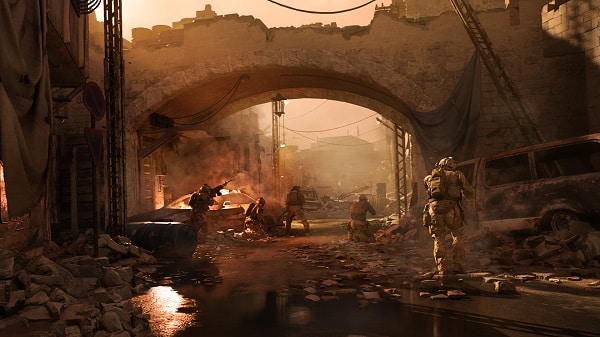
As the gaming industry continued to evolve with rapid advancements in technology, Call of Duty began to lag behind, particularly in terms of graphics and game engine capabilities. While competitors were leveraging cutting-edge technology to enhance the visual and gameplay experience, Call of Duty stuck to its aging engine, leading to a noticeable disparity in quality. This technological stagnation was not just a matter of aesthetics; it also affected the overall gameplay experience, making the games feel outdated compared to their contemporaries. The failure to innovate technologically was a major factor in the series’ declining appeal, as players increasingly sought games that pushed the boundaries of what was possible in video gaming.
In addition to falling behind in technological advancements, the Call of Duty series was increasingly plagued by bugs and glitches. These technical issues ranged from minor annoyances to major gameplay disruptions, impacting player satisfaction and trust. Such problems were not only frustrating for players but also tarnished the franchise’s reputation for quality. Each new release seemed to bring its own set of technical challenges, further eroding the player base’s confidence in the series. The persistent bugs and glitches served as a clear sign that the franchise was struggling to maintain the high standards it had once set for itself.
Community and Fanbase Discontent

The relationship between a game franchise and its community is crucial, and for Call of Duty, this relationship began to sour as the series progressed. Changes to gameplay, narrative elements, and overall game design often went against the wishes of the core fanbase. Long-time players felt alienated as the games shifted away from the elements that had originally attracted them to the series. This disconnect was not just about the games themselves but also about how the community’s feedback was handled (or ignored) by the developers. The perception that the developers were no longer in tune with what the players wanted was damaging to the franchise’s reputation and player loyalty.
Instances of fan-led petitions and backlash became more frequent as players expressed their discontent with the direction the series was taking. Controversial decisions, such as the introduction of futuristic settings and mechanics in some of the later games, were met with significant resistance from the fanbase. These developments led to a fractured community, with a growing portion feeling that the franchise no longer catered to their interests. The erosion of the fanbase’s trust and loyalty was a critical factor in the series’ decline, as a game’s success is heavily reliant on its community’s support.
Missteps in Monetization Strategies

In an era where gaming monetization strategies were rapidly evolving, Call of Duty’s approach began to draw criticism and resentment from players. The franchise’s shift towards aggressive microtransactions, particularly the introduction of loot boxes and pay-to-win elements, was a source of major contention. This monetization model not only affected the game’s balance but also created a barrier to enjoying the full gaming experience. Players felt that the emphasis on microtransactions detracted from the core gameplay and introduced an unfair advantage to those willing to spend more money.
Comparatively, other games in the market adopted more player-friendly monetization strategies that were perceived as fairer and less intrusive. The contrast in monetization approaches further highlighted Call of Duty’s increasingly player-unfriendly tactics. This shift in strategy, coupled with the game’s other issues, led to further alienation of the player base. The perception that the franchise was prioritizing profit over player experience contributed significantly to the series’ decline in popularity, as players began to seek out alternatives that offered a more balanced and fair gaming experience.
Impact of Management and Development Changes

Throughout its lifespan, Call of Duty underwent significant shifts in its development and management teams, which had a profound impact on the direction of the franchise. Key personnel who had been instrumental in shaping the early successes of the series departed, leading to changes in the vision and execution of subsequent games. These changes often resulted in a mismatch between what the series had been known for and what it was currently offering. The fluctuation in leadership and creative direction led to inconsistencies in game quality and a dilution of the franchise’s core identity. This inconsistency was evident in the varying themes, gameplay mechanics, and overall quality of the releases during this period.
The impact of these changes was not just internal but also visibly reflected in the games themselves. New development teams brought different perspectives and priorities, which sometimes clashed with the expectations of the existing fanbase. Insider accounts and statements from former developers revealed behind-the-scenes struggles and conflicts, further suggesting that the series was undergoing tumultuous times. The lack of a consistent creative vision and the apparent disconnect between the development teams and the gaming community were key factors contributing to the declining quality and popularity of the series.
Loss of Cultural Relevance
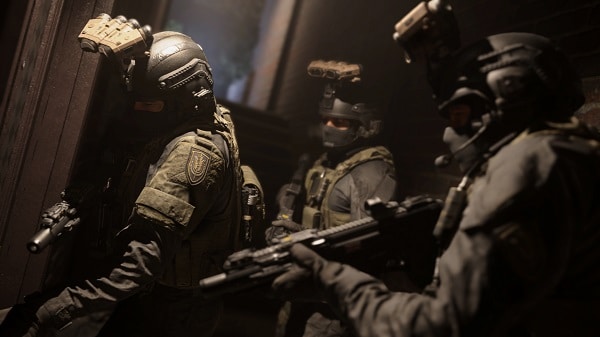
Over time, Call of Duty began to lose its cultural relevance in the rapidly evolving gaming landscape. The themes and narratives of the series, once groundbreaking and resonant with a wide audience, started to feel outdated and disconnected from current gaming trends. The gaming demographic itself was changing, with new preferences and interests emerging, and Call of Duty struggled to adapt to these changes. This loss of relevance was not just about the games failing to capture the zeitgeist but also about them not evolving to reflect the diversity and complexity of contemporary gaming culture.
Other franchises successfully adapted to these cultural shifts by innovating and diversifying their content, something Call of Duty struggled with. For instance, while other games explored new narratives, inclusive characters, and innovative gameplay mechanics, Call of Duty seemed to cling to its traditional formula. This failure to evolve and resonate with the changing tastes and expectations of gamers contributed significantly to the franchise’s waning popularity. As the gaming industry moved forward, Call of Duty increasingly appeared as a relic of a bygone era, unable to keep pace with the dynamic changes in the world of video games.
Reflecting on Call of Duty’s Decline: Lessons for the Future
The downfall of Call of Duty over the years serves as a cautionary tale about the importance of evolving with the industry and maintaining a strong connection with the gaming community. The series, once at the pinnacle of the gaming world, faced challenges ranging from technological stagnation and market saturation to misaligned management and a loss of cultural relevance. These factors collectively contributed to its decline. For game developers, this case underscores the necessity of innovation, responsiveness to player feedback, and the careful balancing of monetization strategies. As the gaming landscape continues to evolve, the lessons from Call of Duty’s journey remain relevant for shaping the future of game development.