Nintendo’s transformation from a humble playing card company in the late 19th century to a titan in the global video game industry is a remarkable tale of innovation, resilience, and strategic foresight. This journey, spanning over a century, has seen Nintendo not just survive but thrive amidst technological revolutions and market shifts. The company’s influence extends beyond mere entertainment, embedding itself into the cultural fabric of societies worldwide. This article explores the untold saga of Nintendo, highlighting key milestones and strategic decisions that propelled it from producing Hanafuda cards to creating iconic gaming consoles and beloved characters.
Contents
The Birth of Nintendo

In 1889, Fusajiro Yamauchi established Nintendo, initially a company specializing in the production of handmade Hanafuda playing cards. These cards, steeped in Japanese tradition, quickly gained popularity, leading to a prosperous period for the company in its early years. However, the success in the playing card industry was only the beginning. By the mid-20th century, Nintendo began to explore beyond its traditional roots. This period marked a pivotal transition, with the company dabbling in various businesses, from taxi services to love hotels, signaling its willingness to innovate and adapt in changing times.
Diversifying Beyond Cards

The 1960s and 1970s were crucial decades for Nintendo as it ventured into new realms. Hiroshi Yamauchi, who took over the company from his grandfather, steered Nintendo towards toy manufacturing, including the creation of light gun games, which laid the groundwork for its future in electronic entertainment. The launch of the “Color TV-Game” series in the late 1970s marked Nintendo’s entry into the home video game console market. These early consoles, although primitive by today’s standards, were significant in establishing Nintendo’s foothold in the electronic gaming industry, showcasing the company’s growing ambition and technological capabilities.
The Game-Changer: Nintendo Entertainment System (NES)

The release of the Nintendo Entertainment System (NES) in 1983 was a watershed moment in video gaming history. Developed in the aftermath of the video game industry crash, the NES was not just a console but a revivalist movement, breathing life back into a faltering industry. With iconic games like Super Mario Bros. and The Legend of Zelda, the NES set new standards in gaming, offering experiences that were richer and more immersive than ever before. Its global success not only solidified Nintendo’s position in the gaming industry but also demonstrated the vast potential of video games as a form of mainstream entertainment.
Innovation and Expansion
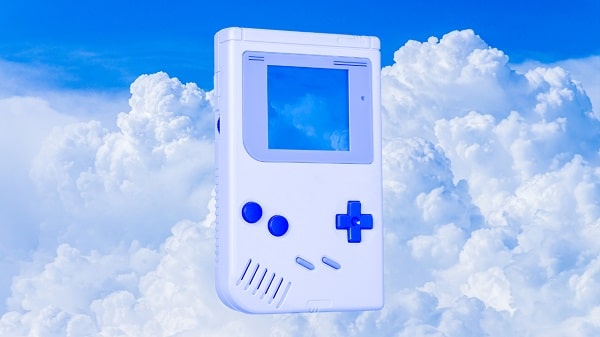
The early 1990s marked a new era of innovation for Nintendo with the launch of the Game Boy, a device that revolutionized portable gaming. Its compact design, coupled with long battery life and a robust game library, most notably the iconic “Tetris,” catapulted the Game Boy to immense popularity. This period also witnessed the advent of the Super Nintendo Entertainment System (SNES), a console that introduced advanced graphics and sound capabilities, setting a new benchmark for home gaming systems. The SNES continued Nintendo’s tradition of providing groundbreaking gaming experiences, with titles like “Super Mario World” and “The Legend of Zelda: A Link to the Past” becoming instant classics.
In the mid-1990s, Nintendo once again pushed the boundaries of gaming technology with the introduction of the Nintendo 64. As one of the first gaming consoles to popularize 3D graphics, the Nintendo 64 set new standards in immersive gameplay. Games like “Super Mario 64” and “The Legend of Zelda: Ocarina of Time” were not only critical successes but also instrumental in shaping the 3D gaming landscape. This era underscored Nintendo’s commitment to innovation, even as the gaming industry became increasingly competitive with new players like Sony entering the market.
The New Millennium Challenges

Entering the new millennium, Nintendo faced significant challenges with the release of the GameCube. While the console boasted advanced graphics and a unique design, it struggled to compete with Sony’s PlayStation 2 and Microsoft’s Xbox in terms of market share and third-party support. This period marked a time of reflection and reevaluation for Nintendo as the gaming industry began to shift towards more powerful hardware and multimedia capabilities. Despite the GameCube’s underperformance, it was pivotal in Nintendo’s history, laying the groundwork for future innovation and highlighting the need for a unique approach in a rapidly evolving market.
Amidst these challenges, Nintendo made a strategic pivot, focusing on innovation over raw hardware power. This shift was exemplified by the launch of the Nintendo DS and Wii. The Nintendo DS, with its dual screens and touch technology, opened up new possibilities for interactive gaming, while the Wii, with its motion-sensing controls, brought gaming to a broader, more diverse audience. These platforms were not just commercial successes; they redefined the gaming experience, appealing to both traditional gamers and an untapped demographic that had previously shown little interest in video games.
Revolutionizing Gaming With the Wii and DS
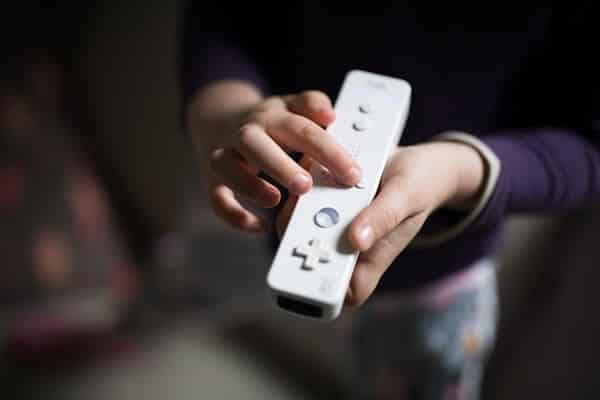
The release of the Wii in 2006 marked a significant milestone in Nintendo’s history. Its innovative motion-sensing controls and user-friendly interface resonated with a wide range of consumers, including those who had never been interested in video games. The Wii’s approach to gaming, emphasizing fun and accessibility over graphical prowess, proved to be a massive success, leading to record-breaking sales and expanding the global gaming demographic. Titles like “Wii Sports” and “Wii Fit” became cultural phenomena, demonstrating Nintendo’s ability to create engaging, family-friendly entertainment experiences.
Similarly, the Nintendo DS, launched in 2004, revolutionized handheld gaming with its dual-screen setup and touchscreen functionality. The DS’s innovative features allowed for new types of games and gaming experiences, such as “Brain Age” and “Nintendogs,” which appealed to a broad spectrum of players. The DS’s portability, combined with its unique gaming experiences, made it one of the best-selling handheld gaming systems of all time. Together, the Wii and DS not only solidified Nintendo’s reputation for innovation but also dramatically expanded the notion of who could be a gamer, setting new standards for the gaming industry.
Modern Era and the Switch

The launch of the Nintendo Switch in 2017 marked a significant turning point in Nintendo’s approach to console design. Combining the portability of a handheld device with the power of a home console, the Switch offered a unique hybrid gaming experience. This innovative approach paid off, with the console gaining widespread acclaim for its versatility and the quality of its game library. Games like “The Legend of Zelda: Breath of the Wild” and “Animal Crossing: New Horizons” not only received critical acclaim but also achieved monumental sales, reflecting the Switch’s broad appeal across various demographics.
In the modern era, Nintendo has also adapted to the evolving digital and mobile gaming market. The company has embraced online services and explored mobile gaming, with apps like “Super Mario Run” and “Animal Crossing: Pocket Camp.” These initiatives represent Nintendo’s recognition of the changing gaming landscape, where digital distribution and mobile gaming have become increasingly significant. Despite these forays into new territories, Nintendo has maintained its focus on creating high-quality gaming experiences, a strategy that continues to resonate with its loyal fan base and attracts new players worldwide.
Nintendo’s Cultural Impact
Nintendo’s influence extends far beyond the realm of gaming; it has become a cultural icon. Characters like Mario, Link, and Pikachu have transcended their digital origins to become part of global pop culture, appearing in movies, merchandise, and even theme parks. This widespread recognition is a testament to Nintendo’s creative storytelling and character design, which have captivated audiences for decades. Moreover, the company’s games have often been at the forefront of social trends, influencing fashion, music, and art.
Beyond the games themselves, Nintendo has fostered a vibrant community of fans. From fan-made art and music to global tournaments and conventions, the enthusiasm of Nintendo’s fanbase is a significant aspect of its cultural footprint. These community-driven events and the widespread affection for Nintendo’s games underscore the deep emotional connection that people have with the brand. This legacy, built on innovation, quality, and a unique charm, continues to influence not just the gaming industry but also the broader landscape of entertainment and popular culture.
Reflecting on Nintendo’s Legendary Journey
As we look back on Nintendo’s extraordinary evolution from a small playing card manufacturer to a global leader in the gaming industry, it’s clear that its journey is not just about technological innovation but also about understanding and shaping the cultural zeitgeist. Nintendo has consistently demonstrated an uncanny ability to adapt, innovate, and, above all, connect with people across generations. Their story is one of resilience, creativity, and the enduring power of fun. As Nintendo continues to navigate the ever-changing landscape of gaming and entertainment, its legacy serves as a testament to the transformative power of vision and adaptability.