Ready for a challenge that will test every ounce of your gaming skill? These ten games aren’t just difficult; they’re legendary for their brutal gameplay, relentless challenges, and the sheer thrill of victory they offer to those who persist. This list isn’t for the faint-hearted; it’s for the gamers who thrive on pushing their limits and mastering the toughest obstacles in the virtual world. From intricate mechanics to relentless enemies, these games have earned their infamy and a special place in the hearts of hardcore gamers. Dive in to discover the most punishing games ever made and find out why they continue to captivate and frustrate players worldwide.
Contents
- 1. Contra (Konami)
- 2. Sekiro: Shadows Die Twice (FromSoftware)
- 3. Elden Ring and the Dark Souls Series (FromSoftware)
- 4. Super Meat Boy (Team Meat)
- 5. Ghosts ‘n Goblins (Capcom)
- 6. Cuphead (StudioMDHR)
- 7. Sifu (Sloclap)
- 8. Ninja Gaiden Series (Team Ninja)
- 9. Returnal (Housemarque)
- 10. Flappy Bird (GEARS Studio)
- The Bottom Line
1. Contra (Konami)

Contra by Konami is a game that epitomizes the essence of a challenging video game. Known for its fast-paced, side-scrolling shooting action, Contra demands precision and quick reflexes from its players. The game’s difficulty is legendary, requiring players to memorize levels and enemy patterns to succeed. The infamous “Contra Code” for extra lives is a testament to its difficulty, becoming a cultural reference point. Contra’s impact on the gaming industry is profound, setting early standards for difficulty that few other games dared to match at the time.
The challenges in Contra go beyond mere tough gameplay; they invoke a level of endurance and perfection-seeking that few modern titles can claim. Each level introduces new obstacles and enemies that can swiftly overwhelm unprepared players. This relentless difficulty made Contra a rite of passage for gamers in the 80s and 90s, helping to cultivate a generation of players who thrive on challenging gameplay. The game’s legacy continues to influence the design of action games, with its high difficulty level remaining a benchmark for what is considered challenging in gaming.
2. Sekiro: Shadows Die Twice (FromSoftware)
Sekiro: Shadows Die Twice stands apart from its FromSoftware predecessors by focusing solely on skillful play and precise mechanics without the option for multiplayer assistance. To progress, players must master a complex system of attacks, parries, and dodges. The game is unforgiving, penalizing players harshly for their mistakes, yet it rewards dedication and skill with a deep sense of accomplishment. Sekiro’s setting in a mythologized feudal Japan adds to its allure, providing a rich backdrop for its challenging gameplay.
Unlike other games with varying difficulty levels, Sekiro demands that every player meet high standards. The game’s design encourages continuous learning and adaptation, turning each failure into a lesson for improvement. The game’s immersive narrative and dynamic combat system balance this steep learning curve, making each victory feel intensely rewarding. Sekiro challenges players’ gameplay skills, patience, and persistence, setting a new standard for what a challenging game can be.
3. Elden Ring and the Dark Souls Series (FromSoftware)

The Dark Souls series and its spiritual successors, like Elden Ring, are renowned for their brutal difficulty and intricate world design. These games require players to engage deeply with their mechanics and to learn from constant defeat. FromSoftware has crafted these titles emphasizing high risk and reward, making each encounter a potential lesson or a brutal setback. The interconnected worlds of these games are filled with hidden secrets and deadly traps, keeping players on their toes at all times.
Elden Ring expands on the formula by introducing a vast, open world that retains its predecessors’ challenging nature. With more freedom to explore, players encounter challenges that test their skills in new ways. In particular, the game’s late-stage bosses are designed to push players to their limits, often requiring multiple attempts to understand and overcome. This relentless difficulty has defined the series and cemented its place in gaming culture as a symbol of ultimate challenge.
4. Super Meat Boy (Team Meat)
Super Meat Boy brings platforming to extreme difficulty with its fast-paced and unforgiving levels. Players control Meat Boy, a red, cube-shaped character, as he attempts to rescue his girlfriend from an evil scientist. The game requires pixel-perfect precision, and its levels are filled with hazards that can instantly kill the character. The rapid pace and frequent deaths are balanced by immediate respawns, which push players to try again without hesitation.
The difficulty of Super Meat Boy is compounded by its later levels, particularly the Dark World versions, which offer even more severe challenges. The game’s design philosophy revolves around trial and error, encouraging players to improve through perseverance and repeated attempts. This has made Super Meat Boy a hallmark in the platforming genre, known for its brutal difficulty and tight controls. It’s a game that frustrates as often as it rewards, but it always keeps players coming back for more.
5. Ghosts ‘n Goblins (Capcom)

Ghosts ‘n Goblins by Capcom is notorious for punishing difficulty, frustrating countless players since its release. As Sir Arthur, players navigate through levels filled with undead enemies and other supernatural hazards. The game is unforgiving, with enemies that respawn constantly and attack patterns that require precise navigation. Armor serves as the player’s health system, but taking damage strips Arthur of his armor, leaving him vulnerable in just his undergarments. This mechanic adds a layer of difficulty and injects humor into the otherwise tense gameplay.
The design of Ghosts ‘n Goblins is such that it demands perfect memory and timing from its players. The game’s levels are short but incredibly dense with challenges, requiring players to learn and adapt quickly. The difficulty is further enhanced by a requirement to complete the game twice to see the true ending, a feat that tests the patience and skill of even the most dedicated gamers. Its legacy as one of the hardest games ever made is well-deserved, influencing an entire genre of similar titles seeking to capture its challenging magic.
6. Cuphead (StudioMDHR)
Cuphead, developed by StudioMDHR, is distinguished by its unique art style, reminiscent of 1930s cartoons, and its notoriously difficult gameplay. Each level consists primarily of boss fights that demand players learn complex movements and attacks to succeed. The game’s visual charm belies its intense challenge, with each boss featuring distinct patterns that can take numerous attempts to master. Cuphead’s approach to difficulty is not about punishing the player but rather encouraging learning and mastering.
The challenge in Cuphead is psychological as much as it is mechanical. The game requires quick reactions and the ability to maintain concentration and composure under pressure. This combination of mental and physical challenges is what makes Cuphead particularly difficult. Players often find themselves on the verge of victory only to be undone by a small mistake, adding to the game’s frustrating and addictive nature. Despite its difficulty, or perhaps because of it, Cuphead has garnered a massive following and remains a standout example of innovative game design fused with hardcore challenges.
7. Sifu (Sloclap)

Sifu’s gameplay is characterized by its unique aging mechanic, where the player’s character grows older with each death, impacting their ability to fight effectively. This mechanic adds an interesting layer to the game’s already challenging combat system, which requires players to master a complex array of martial arts techniques. The game is relentless, with each enemy encounter potentially leading to aging and increased difficulty, pushing players to perfect their skills quickly.
Moreover, Sifu’s design emphasizes learning through repetition, echoing the martial arts theme of discipline and mastery. Each fight is a lesson in timing, strategy, and adaptation, with the aging mechanic serving as a harsh penalty for failure. This system makes each playthrough unique and demands a strategic approach to progression. Sifu’s innovative gameplay mechanics and brutal difficulty level make it a significant entry in beat-ups, offering a fresh and unforgiving challenge to even the most skilled players.
8. Ninja Gaiden Series (Team Ninja)
The Ninja Gaiden series is celebrated for its high-octane action and brutal difficulty. Each series installment offers intricately designed levels with deadly enemies and treacherous obstacles. The games demand quick reflexes, strategic planning, and a deep understanding of the combat system to progress. The series is known for mocking players who opt for lower difficulty settings, reinforcing its hardcore nature.
The combat system in Ninja Gaiden is complex, combining traditional hack-and-slash mechanics with a deep repertoire of skills players must master to defeat increasingly difficult foes. The game’s AI is aggressive and unforgiving, often punishing even minor mistakes with swift defeat. As players progress through the series, the challenges become even more daunting, solidifying Ninja Gaiden’s reputation as one of the toughest gaming experiences. The series has not only tested players’ skills but has also left a lasting impact on the action genre, influencing the development of future games with its emphasis on skill and precision.
9. Returnal (Housemarque)
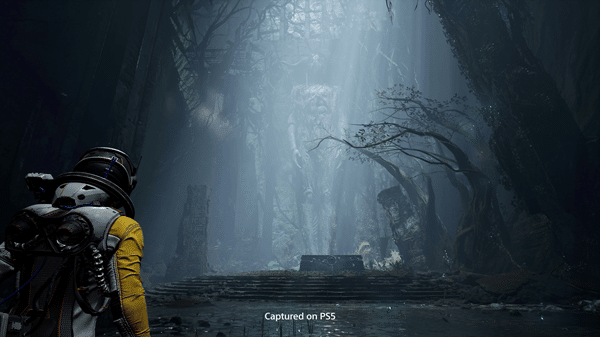
Returnal combines third-person shooting with roguelike elements to create a challenging and constantly evolving gameplay experience. The game’s structure forces players to start over from the beginning each time they die, with each run differing slightly due to procedural generation. This unpredictability and the game’s demanding combat mechanics make for a challenging experience that tests players’ adaptability and resilience.
The difficulty in Returnal is also psychological, stemming from its atmospheric narrative and the isolation of its sci-fi setting. The game’s story, which unfolds through cryptic messages and environmental clues, adds a layer of mystery and urgency to the gameplay. The constant tension and fear of losing progress with each death create a compelling yet punishing loop that drives players to push their limits. Returnal’s blend of narrative depth and high-stakes gameplay makes it a standout title in the roguelike genre, offering a deeply challenging experience that rewards persistence and skill.
10. Flappy Bird (GEARS Studio)
Flappy Bird, a simple yet frustrating mobile game, unexpectedly soared to massive popularity due to its punishing difficulty. Players must navigate a bird through a series of narrow openings between pipes by tapping the screen to keep the bird airborne. The game’s difficulty lies in its unforgiving mechanics; each tap must be perfectly timed, as even a slight error can lead to a collision and game over. The simplicity of the controls contrasts sharply with the precision required, making it a relentless test of patience and timing.
Despite its basic graphics and straightforward gameplay, Flappy Bird became a cultural phenomenon, partly because of its high difficulty level. The game’s creator even removed it from app stores, overwhelmed by the attention and addictive frustration it generated among players. This action only fueled its legend, with users clamoring for its return or seeking out clones that attempted to replicate its addictive challenge. Flappy Bird’s legacy is defined by its difficulty and the surprising depth of challenge it presented with minimalistic game design.
The Bottom Line
The games listed in this article share a common thread of demanding respect and perseverance from their players, offering no quarter, and demanding nothing less than total commitment. They are games that not merely entertain but challenge the limits of players’ abilities, rewarding patience, skill, and resilience with profound satisfaction and, sometimes, public acclaim. As gaming continues to evolve, the hunger for challenging experiences remains unabated, reflecting a core aspect of human nature that thrives on overcoming adversity. These games stand as monuments to the spirit of challenge, serving as benchmarks against which all difficult games are measured.