In the era of smart technology, the average home has evolved into a hub of interconnected devices designed to simplify daily activities and enhance lifestyle convenience. The modern home is smarter than ever, from voice-activated assistants to thermostats that adjust themselves based on your habits. However, this intelligence also brings a vulnerability that many fail to recognize. As homes become smarter, they also become potential targets for hackers seeking to exploit every connected device. This discussion sheds light on the various facets of smart home technology that might make your residence a hacker’s paradise.
Contents
- The Gateway Devices: Smart Speakers and Hubs
- Not Just Convenience: Smart Appliances at Risk
- Watching You Watching Them: Security Systems and Cameras
- When Comfort Becomes a Threat: Thermostats and Lighting
- The Invisible Network: Wi-Fi and Router Security
- The Dangers of Convenience: Smart Locks and Home Access
- Data Harvesting: Privacy at Stake
- You’re Not Alone: The Role of Manufacturers and Software Updates
- Securing Your Digital Fortress
The Gateway Devices: Smart Speakers and Hubs
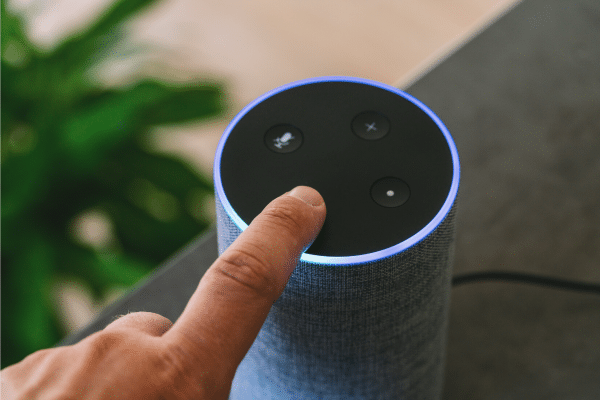
Smart speakers and home hubs have become the control centers of many modern homes. Devices like Amazon Echo and Google Home manage everything from playing music to controlling lights and security systems. However, these conveniences come with hidden risks. Hackers can exploit vulnerabilities in the software or hardware of these devices to gain unauthorized access to your entire smart home network. Once they infiltrate one device, the entire ecosystem of connected gadgets can be compromised, turning these central hubs into a hacker’s playground.
Despite manufacturers’ regular updates, sophisticated cyber attackers can bypass these devices’ security measures. Instances such as hijacking voice commands, eavesdropping through microphones, or even using these devices as entry points to private networks are not just theoretical. Real-life breaches have shown that once control is gained over a smart hub, hackers can manipulate other connected devices, gather personal information, and disrupt daily life.
Not Just Convenience: Smart Appliances at Risk
The allure of smart appliances lies in their ability to make household chores more convenient and energy-efficient. Refrigerators that alert you when groceries are running low and ovens that can be preheated remotely are becoming common in smart homes. However, these smart appliances are also prone to cyber-attacks. Many come equipped with default security settings, which hackers can easily exploit to gain entry into your home network.
The risks extend beyond unauthorized access; there is also the potential for manipulation of functionality. Hackers can adjust settings on smart appliances, causing them to malfunction or stop working altogether. For example, turning a refrigerator off could spoil food, or overheating an oven could pose serious safety risks. The impact of such intrusions threatens convenience and safety, making it imperative for homeowners to secure these devices just as they would their computers or smartphones.
Watching You Watching Them: Security Systems and Cameras
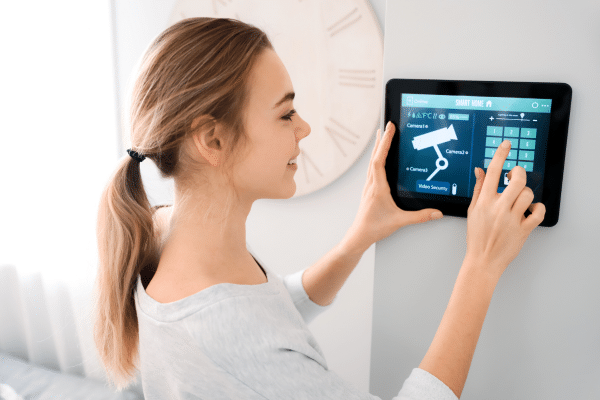
Ironically, the devices installed to enhance security can become security risks themselves. Smart cameras and security systems are designed to provide homeowners with live surveillance footage, offering peace of mind that their home is safe. However, if these systems are hacked, the effects can be disturbing. Hackers can access live feeds, monitor household activities, and even use recorded footage for criminal activities like burglary or blackmail.
Such incidents are not merely hypothetical. There have been numerous reports of security cameras being hacked, with hackers speaking to children over camera speakers or posting live feed access for sale on the dark web. These breaches invade privacy and compromise the physical security these systems are supposed to provide. Ensuring these devices are secure against hackers is crucial to truly protect the privacy and safety of smart home residents.
When Comfort Becomes a Threat: Thermostats and Lighting
Smart thermostats and lighting systems offer a level of comfort and convenience unimaginable a few decades ago. By learning homeowner habits, these devices optimize heating, cooling, and lighting to improve comfort and reduce energy bills. However, the connectivity that allows these devices to function can expose them to cyber threats. Hackers can manipulate the settings on smart thermostats to cause discomfort or significantly inflate energy bills.
Instances where thermostats have been set to extreme temperatures are a stark reminder of the potential dangers. Such actions can lead to immediate discomfort and long-term risks like pipes freezing and bursting in cold weather or heat-induced damage to home interiors during hot spells. Homeowners must prioritize securing their network to shield these devices from external manipulations, which could have costly repercussions.
The Invisible Network: Wi-Fi and Router Security
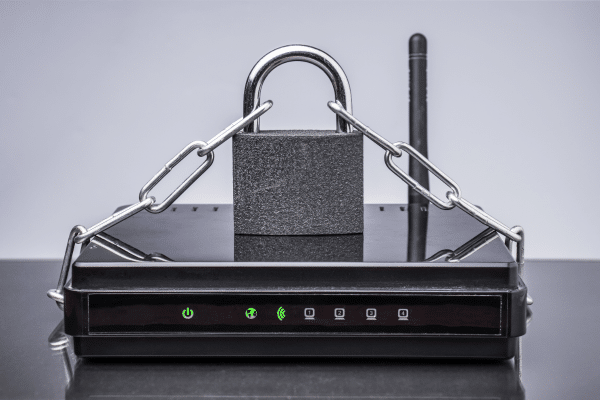
Wi-Fi networks and routers serve as the lifeline for all smart home devices, making them a critical point of defense against external threats. The central role of Wi-Fi in smart home setups means that any breach here can have wide-reaching implications. Hackers often target routers using techniques like password cracking or exploiting firmware vulnerabilities to gain unrestricted access to every device connected to the network.
To combat these threats, it’s essential to maintain robust security practices such as changing default network names and passwords, using strong, unique passwords for Wi-Fi networks, and ensuring the router’s firmware is up-to-date. Implementing advanced security protocols like WPA3 can also enhance protection, making it harder for hackers to exploit the network. Homeowners should consider these steps as fundamental, not just advisable, to secure their home networks from unauthorized access and cyber threats.
The Dangers of Convenience: Smart Locks and Home Access
Smart locks and automated garage doors promise enhanced convenience by allowing homeowners to lock and unlock their doors remotely. However, these devices also pose significant risks if not properly secured. By exploiting vulnerabilities in these systems, hackers can gain physical access to a home, bypassing traditional security measures like alarms and deadbolts.
Reports of unauthorized access through compromised smart locks are alarming, illustrating the potential dangers of poorly secured devices. To protect their homes, homeowners should ensure that their smart locks have up-to-date security features and use encryption to safeguard communication between devices. Regularly updating device software and using features like two-factor authentication can also strengthen security, providing additional protection against cyber intrusions.
Data Harvesting: Privacy at Stake
In a smart home, almost every device collects data to some extent, whether it’s voice commands, usage patterns, or personal preferences. This information is invaluable for making devices more user-friendly and efficient but poses a significant privacy risk if mishandled or accessed by hackers. Once leaked, personal data can be used for a range of malicious purposes, from identity theft to sophisticated targeted attacks.
To safeguard privacy, homeowners must understand what data their devices collect and how it’s stored and used. Opting for devices with clear privacy policies and strong data protection measures can reduce the risk of personal data exploitation. Additionally, disabling unnecessary data collection features can minimize the information potentially available to hackers.
You’re Not Alone: The Role of Manufacturers and Software Updates
Device manufacturers play a pivotal role in ensuring the security of smart home devices. It is vital that manufacturers not only design devices with robust security from the start but also provide continual support through regular software updates and patches. These updates are crucial as they often fix vulnerabilities that hackers could exploit.
As a consumer, staying informed about the latest firmware and software updates provided by manufacturers and applying them promptly is one of the simplest yet most effective ways to enhance smart home security. Choosing devices from manufacturers with a good track record of security and customer support is also beneficial, as this can significantly reduce the risk of encountering security issues.
Securing Your Digital Fortress
In the vast network of connected devices that constitute a smart home, security is not a one-time setup but a continuous process. By understanding the inherent risks and implementing robust security measures, homeowners can protect themselves from the potentially devastating consequences of cyber-attacks. Maintaining strong, unique passwords, regularly updating device firmware, and securing home networks are essential steps in this ongoing battle. Additionally, staying informed about potential vulnerabilities and adopting a proactive approach to security can transform your smart home from a hacker’s paradise to a digital fortress. This proactive vigilance is not just a recommendation—it’s necessary to safeguard your modern, connected lifestyle.