

As a form of digital entertainment, video games often face censorship and outright bans by governments worldwide. The reasons vary from concerns over violence and sexuality to the portrayal of political sentiments that may conflict with a nation’s policies or cultural values. While some countries implement strict regulations to control the content of games, others may enforce bans to suppress certain elements deemed inappropriate or harmful. This article explores the landscape of video game censorship and bans, highlighting specific instances and regulations in various countries and regions.
Asia
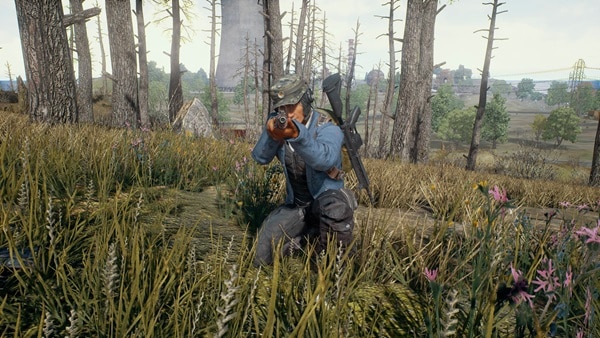
- Afghanistan
The Islamic Emirate of Afghanistan prohibited Western technology, including video games, during its first reign. This ban was not strictly enforced between 2001 and 2021 but resurfaced with the Taliban’s return to power, specifically banning games like Player Unknown’s Battlegrounds to shield youth from negative influences.
- People’s Republic of China
China has a comprehensive system for censoring video games, banning titles that feature drugs, sexuality, blood, or any content that could be seen as defamatory to the Chinese government. The ban on home gaming consoles lasted from 2000 until 2013, significantly impacting the global gaming industry, given the size of the Chinese market.
- India
In India, cultural sensitivities have led to the ban of games like Fallout 3. Moreover, the popular game PUBG Mobile has faced bans in several states, citing it as causing extreme violence among youths and leading to further restrictions on games with similar content.
- Indonesia
Indonesia’s strict stance on content depicting communism and excessive violence led to the banning of titles such as Mortal Kombat 11. The country’s regulations are part of a broader effort to control media content that conflicts with national ideology.
- Iran
Iran bans games portraying the Middle East negatively or those containing strong sexual content and nudity. Titles like Battlefield 3 were removed from shelves as they depicted a fictional U.S. invasion of Iran, reflecting the country’s stringent control over game content.
- Japan
Japan, known for its significant contribution to the video game industry, rarely bans games but often opts for localization changes to remove or alter offensive content. However, recent exceptions like The Callisto Protocol highlight a shift towards stricter content guidelines in certain cases.
Europe

- Albania
Albania’s approach to game censorship primarily revolves around gambling-related content. Following discussions in 2016, a ban on online gambling was implemented, which indirectly affected video games featuring gambling elements.
- Belgium
Belgium has categorized games with loot boxes as gambling, leading to bans on titles such as FIFA 17 and others with similar mechanisms. This regulatory approach aims to protect consumers, particularly minors, from potential gambling habits.
- Germany
Germany enforces some of Europe’s strictest video game censorship laws, focusing on banning games that feature unconstitutional symbols or excessive violence. The country’s laws have led to the banning and indexing of numerous games, significantly impacting their availability.
- Greece
In 2002, Greece temporarily banned all electronic games in both public and private spaces to combat illegal gambling. This broad and controversial law was repealed in 2011 following widespread criticism and debates about its effectiveness and fairness.
- Italy
Attempts to ban video games in Italy have been sporadic and often overturned. Notable instances include the push against Manhunt 2, criticized for its gratuitous violence but ultimately remained unbanned.
- Russia
Russia’s video game censorship often involves editing content that portrays the country negatively. While games like Call of Duty: Modern Warfare 2 were not officially banned, certain content was censored to comply with local standards.
- United Kingdom
In the U.K., video games that fail to receive a certification rating are effectively banned. This process, backed by legislation, ensures that games meet specific content standards before being made available to the public.
North America
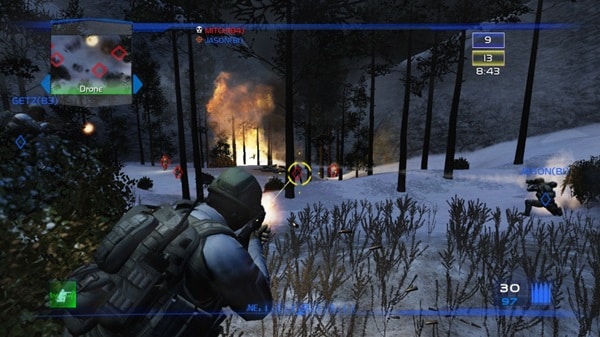
- Mexico
Mexico’s state-specific bans, such as the ban on Tom Clancy’s Ghost Recon Advanced Warfighter 2 in Chihuahua, reflect localized efforts to control game content deemed harmful or offensive based on regional standards.
- United States
The United States relies on a self-regulatory system where the Entertainment Software Rating Board (ESRB) assigns game ratings. While there are no federal bans, games can still be pulled from the market due to court orders or public controversies.
Oceania
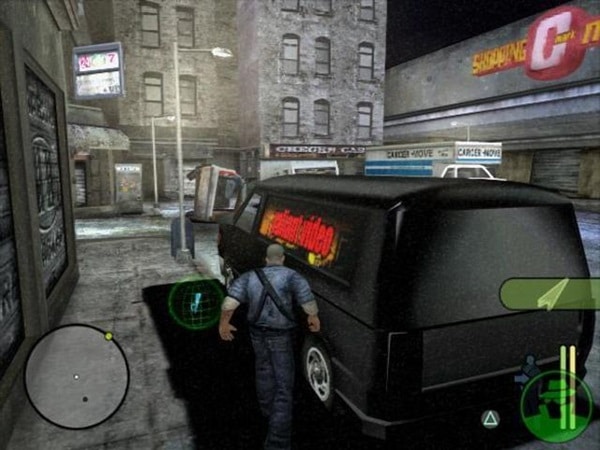
- Australia
Australia’s stringent classification system has banned games that exceed content limits for violence and sexuality. The Australian Classification Board enforces these regulations to ensure that media content meets national standards.
- New Zealand
In New Zealand, games deemed “objectionable” can be banned, particularly if they contain extreme violence or sexual content involving minors. The country’s strict enforcement ensures that only content suitable for various age groups is available to the public.
South America

- Brazil
Brazil has banned video games that include extreme violence and depictions of cruelty. Titles like Counter-Strike and EverQuest were temporarily removed from shelves due to concerns about their influence on young players. The bans reflect a broader aim to protect societal values and prevent games from inciting violent behavior.
- Argentina
While Argentina does not have a history of widespread game bans, there have been instances where localized measures were taken against specific games deemed inappropriate. These cases usually arise from public controversies rather than formal government mandates.
- Chile
Chile’s approach to video game censorship is relatively moderate. It focuses more on public awareness and education about game content rather than outright bans. However, games that do not comply with age ratings can be restricted from being sold to minors.
- Colombia
In Colombia, the focus is often on restricting access to games that involve gambling or that are considered to have addictive mechanisms. This is part of a broader strategy to combat problem gambling and protect younger demographics from exposure to harmful gaming practices.
- Venezuela
Venezuela introduced a law in 2010 banning violent video games and toys in an effort to curb societal violence. The law represents one of the more direct governmental interventions in the gaming industry in South America.
Africa

- Egypt
Egypt tends to ban video games that feature content conflicting with Islamic values or that depict the country in a negative light. This includes games that contain religious insults or that portray military actions against what are considered to be Egyptian territories.
- Kenya
In Kenya, video game censorship focuses mainly on preventing the spread of games that contain sexual content and violence. The Kenya Film Classification Board oversees these regulations, ensuring that games are suitable for the country’s diverse audiences.
- Nigeria
Nigeria has not widely banned video games, but there is significant public debate about the impact of violent games on youth. The government has considered various measures to limit exposure to such games, emphasizing the need for parental guidance and appropriate content ratings.
- South Africa
South Africa has a robust video game classification system that prohibits games with unlawful hate speech, explicit sexual conduct, or graphic violence. The Film and Publication Board ensures that all video games sold in the country meet these standards.
The Bottom Line
Video game censorship and bans across the globe reflect diverse cultural, social, and political landscapes. While some countries implement strict regulations to protect cultural values and prevent exposure to harmful content, others promote a more moderate approach, emphasizing education over restriction. The global video game industry must navigate these regulations to effectively market their products while respecting local standards and values. The ongoing dialogue between governments, regulatory bodies, and the gaming community is crucial in shaping the future landscape of video game availability and censorship.