

The video game industry has transformed dramatically over the past two decades, with digital distribution, online connectivity, and evolving business models reshaping how players experience their favorite games. As technology advances and consumer habits shift, several gaming trends that were once considered standard practice are slowly disappearing from the landscape. From the tactile pleasure of reading physical game manuals to the social experience of split-screen multiplayer, these fading traditions represent a nostalgic era that many longtime gamers remember fondly.
The Decline of Physical Game Manuals and Printed Materials

Physical game manuals were once an integral part of the gaming experience. During the era of cartridge and early disc-based games, manuals served multiple purposes: they provided backstory and world-building, explained game mechanics, offered control schemes, and sometimes contained artwork and developer notes. Players would often read these booklets during car rides home from the store or while waiting for games to load.
The transition away from printed manuals began accelerating in the late 2000s. Publishers cited environmental concerns and cost-cutting as primary reasons for discontinuing physical documentation. By the early 2010s, most major publishers had shifted to digital manuals accessible through console menus, and many games eliminated manuals entirely in favor of in-game tutorials. While this change reduced paper waste and production costs, it removed an element that contributed to the anticipation and immersion of new game purchases.
Editorial context: The shift from physical to digital distribution has affected not only manuals but also box art, posters, and other collectible materials that once accompanied game purchases. This transition reflects broader changes in media consumption across entertainment industries.
Local Couch Co-op and Split-Screen Gaming in Decline

Split-screen multiplayer, once a cornerstone of console gaming, has become increasingly rare in modern releases. Games like GoldenEye 007, Mario Kart, and the Halo series defined social gaming experiences for millions of players who gathered around televisions to compete and cooperate together. This form of local multiplayer required no internet connection and created memorable shared experiences in living rooms worldwide.
The decline of couch co-op gaming stems from multiple factors. Online multiplayer infrastructure improved significantly throughout the 2000s and 2010s, making it easier for players to connect remotely. Developers found that creating split-screen modes required additional optimization work to maintain visual quality and performance when rendering multiple viewpoints simultaneously. Additionally, the business model shifted to favor individual game and console sales rather than shared local experiences.
While some developers have maintained local multiplayer features, particularly in Nintendo titles and certain indie games, the overall industry trend has moved away from this tradition. Games that might have included split-screen modes in previous generations now often require each player to own their own copy and system to play together.
- Split-screen gaming: Declining due to online infrastructure improvements and development costs associated with rendering multiple viewpoints.
- LAN parties: Once popular social events have largely been replaced by online multiplayer and voice chat services.
- Arcade gatherings: Traditional arcades have been disappearing in Western markets since the late 1990s, replaced by home console capabilities.
Unlockable Content and Cheat Codes Giving Way to Microtransactions

Cheat codes and unlockable content were once fundamental aspects of game design. Players could discover secret codes that granted invincibility, extra lives, or access to hidden features. Similarly, completing challenges or reaching certain milestones would unlock new characters, costumes, levels, and game modes without additional payment. These systems rewarded player dedication and exploration while extending the longevity of games.
The rise of downloadable content and microtransaction models has significantly reduced the presence of traditional cheat codes and unlockables in mainstream releases. Content that might previously have been included as unlockable extras is now often sold separately as DLC or available through in-game purchases. While some developers still include easter eggs and secrets, the comprehensive cheat code systems that characterized earlier gaming eras have largely disappeared from major releases.
This shift reflects changing business models in the gaming industry. Publishers have found that selling cosmetic items, characters, and additional content generates significant revenue, particularly in games with ongoing online services. The trade-off has been a reduction in the sense of discovery and achievement that came from finding and utilizing cheat codes or earning unlockables through gameplay alone.
Physical Game Ownership and Retail Purchases Evolving
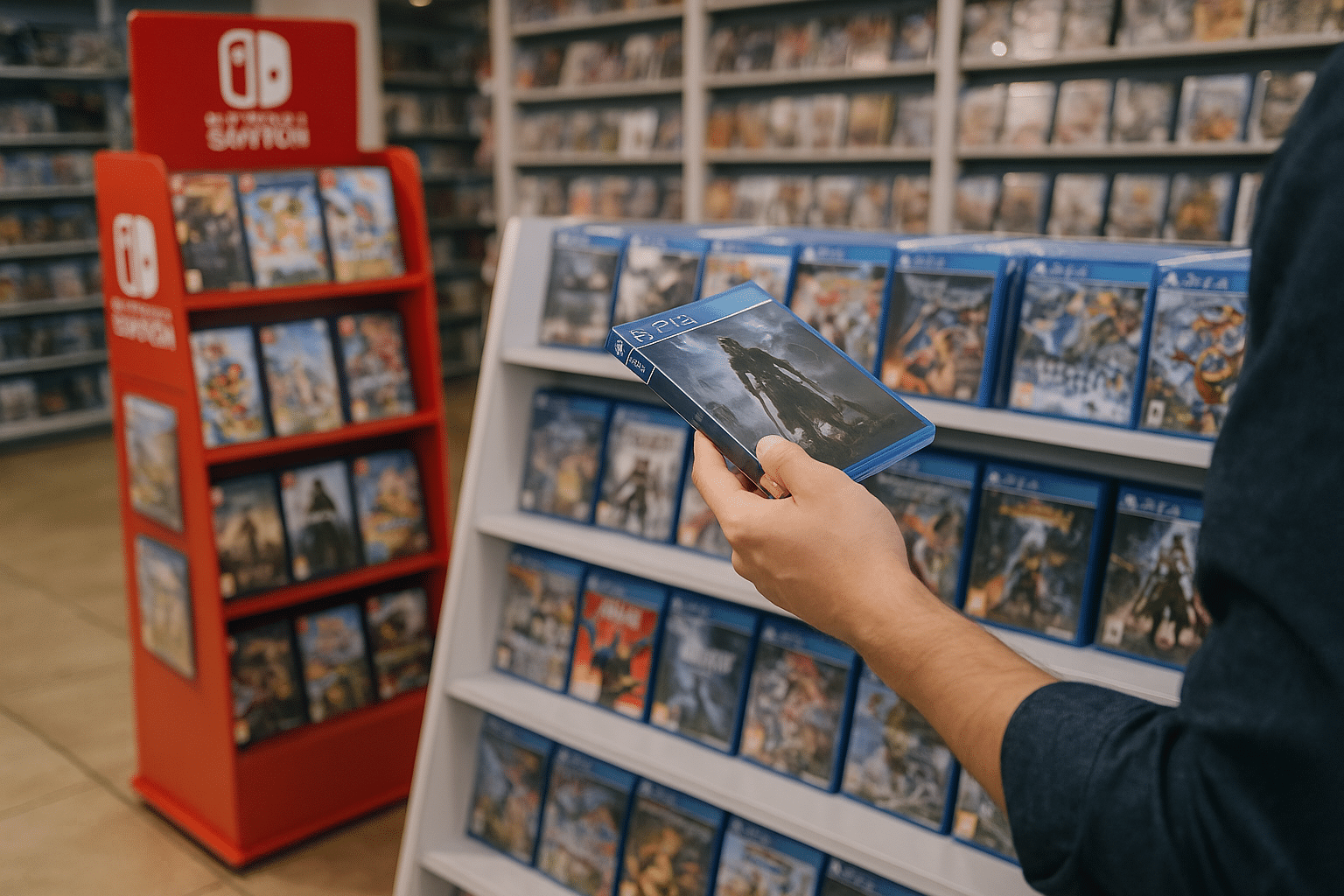
The concept of physical game ownership has changed substantially with the growth of digital distribution platforms. Steam launched in 2003, and console manufacturers followed with their own digital storefronts. By the 2020s, digital game sales had surpassed physical sales in most markets, fundamentally altering how players acquire and access their games.
- 2003: Valve launches Steam, pioneering digital PC game distribution.
- 2006-2008: Major console platforms introduce digital storefronts (Xbox Live Marketplace, PlayStation Store, Wii Shop Channel).
- 2010s: Digital sales grow steadily, with many games receiving digital-only releases.
- 2020s: Digital distribution becomes dominant, with some console models shipping without disc drives.
This transition has raised questions about game preservation and ownership. Digital licenses can potentially be revoked, and games may become inaccessible if servers shut down or platforms discontinue support. The ability to resell, lend, or trade games has also diminished with digital purchases. Collectors and preservation advocates have expressed concerns about the long-term implications of these changes for gaming history.
Complete Games at Launch Becoming Less Common

In earlier generations of gaming, most titles shipped as complete, finished products. While bugs existed, the absence of widespread internet connectivity meant developers generally needed to deliver polished experiences at launch. Day-one patches were not possible for cartridge-based systems, and even early disc-based games received limited post-release support.
The prevalence of broadband internet has enabled a different approach to game releases. Many modern titles receive substantial day-one patches, and some games launch with significant issues that are addressed through post-release updates. The games-as-a-service model has further changed expectations, with many titles designed to evolve over months or years through content updates, balance changes, and new features.
While ongoing support can enhance games over time, this shift has also led to criticism when titles launch in unfinished or problematic states. Players must now often wait for patches to address issues that would have prevented release in earlier eras. The line between a finished game and an ongoing project has become increasingly blurred.
Key observation: The disappearance of these gaming trends reflects broader technological and economic changes in the industry. While progress brings many benefits, it also means certain experiences and practices become artifacts of gaming history rather than ongoing traditions.
Classic Demo Discs and Game Demos Fading Away
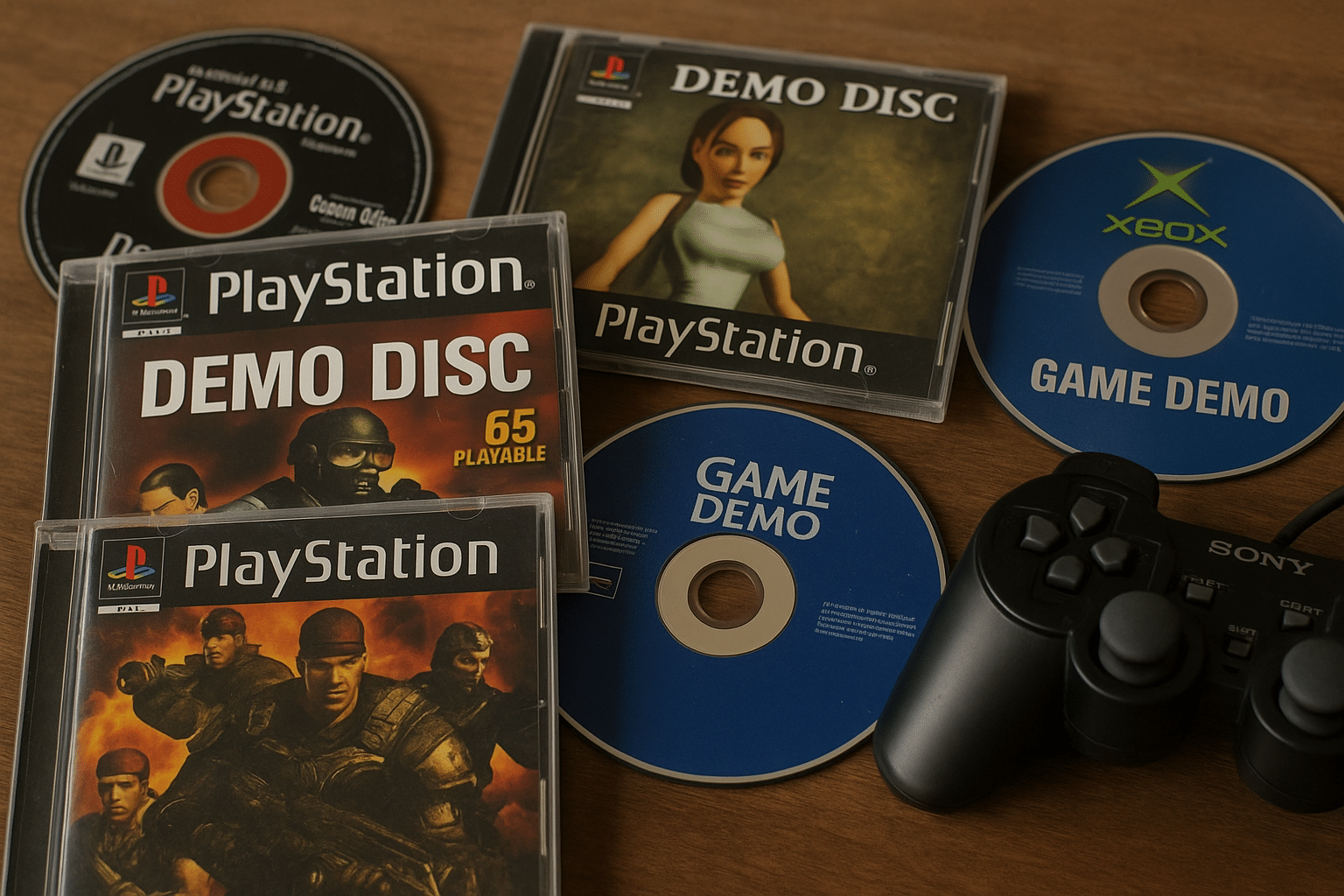
Demo discs were once a significant part of gaming culture, distributed through magazines, retail promotions, and bundled with console purchases. These discs provided players with playable samples of upcoming and recently released games, serving as both marketing tools and entertainment in their own right. Many players discovered beloved franchises through demo disc experiences.
The availability of standalone game demos has declined considerably in recent years. While digital storefronts technically make demo distribution easier than physical media, many publishers have moved away from offering playable previews. Free-to-play models, open betas, early access programs, and subscription services like Xbox Game Pass have partially filled this role, allowing players to sample games without full purchases. However, the traditional demo experience of playing a curated portion of a complete game has become less common for major releases.
Some industry analysts suggest that publishers found demos potentially harmful to sales, particularly if the sampled content did not represent the full experience favorably. Others point to development costs and the rise of alternative marketing approaches, including streaming and video content, as factors in the decline of traditional game demos.
Preserving Gaming Heritage While Embracing Change
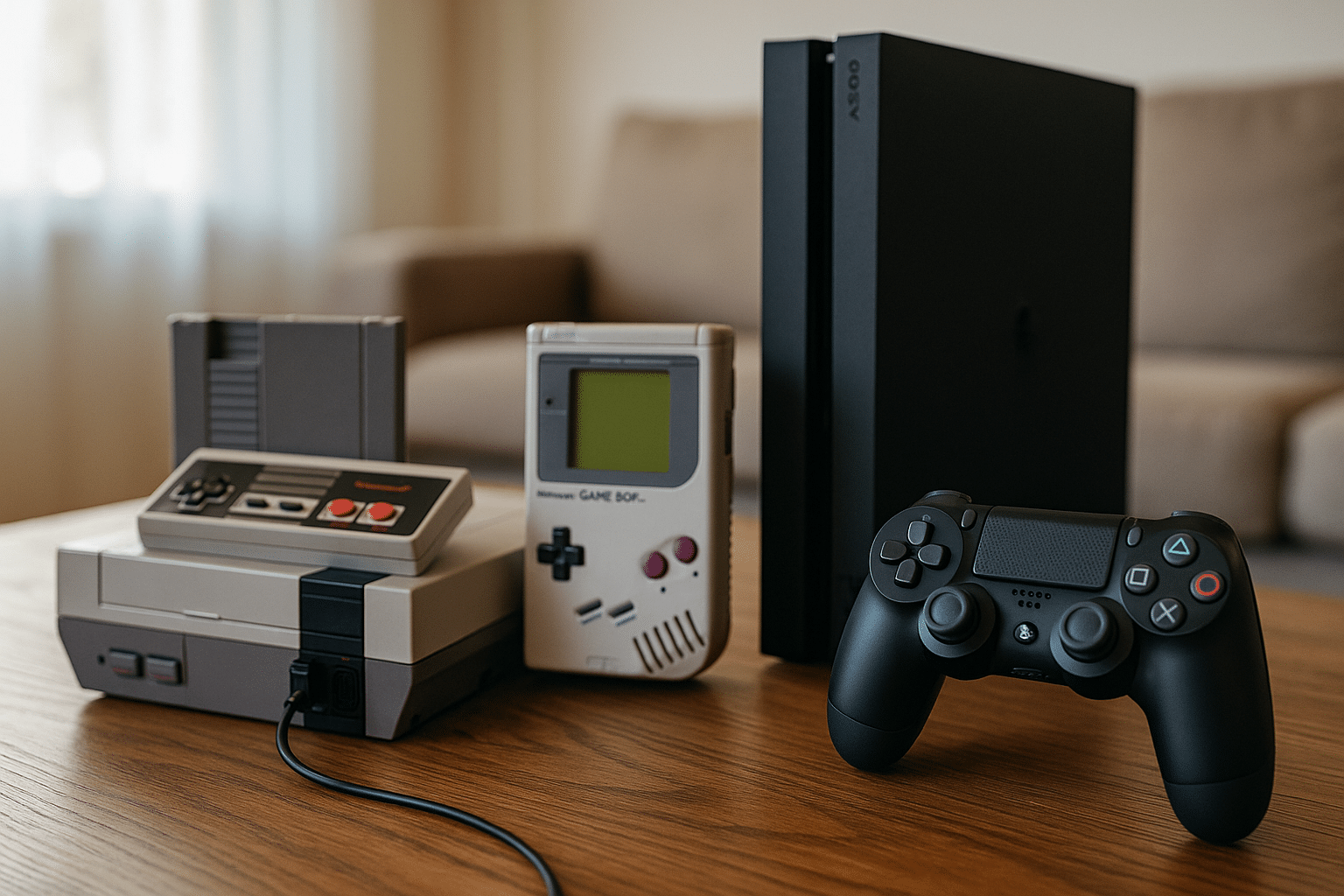
The gradual disappearance of these gaming trends represents the natural evolution of an industry responding to technological capabilities and changing consumer expectations. While nostalgia for physical manuals, couch co-op sessions, and cheat codes remains strong among longtime players, the industry continues moving toward digital-first distribution, online connectivity, and service-based models. Preservation efforts by gaming historians, museums, and dedicated communities have become increasingly important in documenting and maintaining access to these fading traditions.