

The evolution of gaming over the last decade represents one of the most significant technological and cultural shifts in entertainment history. Since 2015, the video game industry has expanded from a hobbyist pursuit into a global phenomenon that rivals film and music in revenue and cultural influence. New platforms, business models, and technologies have fundamentally changed how games are created, distributed, and experienced.
Console Generations and Hardware Innovation

The past decade witnessed the launch and maturation of two console generations. Sony’s PlayStation 4 and Microsoft’s Xbox One, both released in 2013, dominated the early part of this period before giving way to the PlayStation 5 and Xbox Series X|S in November 2020. These newer consoles introduced solid-state drives as standard storage, dramatically reducing load times and enabling new game design possibilities. The PlayStation 5 has sold over 50 million units since launch, while Microsoft shifted its strategy to focus on the Xbox ecosystem rather than pure hardware sales figures.
Nintendo carved its own path with the Nintendo Switch, released in March 2017. This hybrid console, capable of both handheld and television-connected play, sold over 140 million units by 2024, making it one of the best-selling consoles in gaming history. The Switch demonstrated that raw processing power was not the only path to success, with innovative design and strong first-party software proving equally important to consumers.
- 2017: Nintendo Switch launches, introducing hybrid portable-home console gaming.
- 2019: Google Stadia launches, pioneering major cloud gaming platform attempts.
- 2020: PlayStation 5 and Xbox Series X|S release during global pandemic.
- 2023: Meta Quest 3 launches, advancing standalone VR capabilities.
The Rise of Subscription Gaming Services
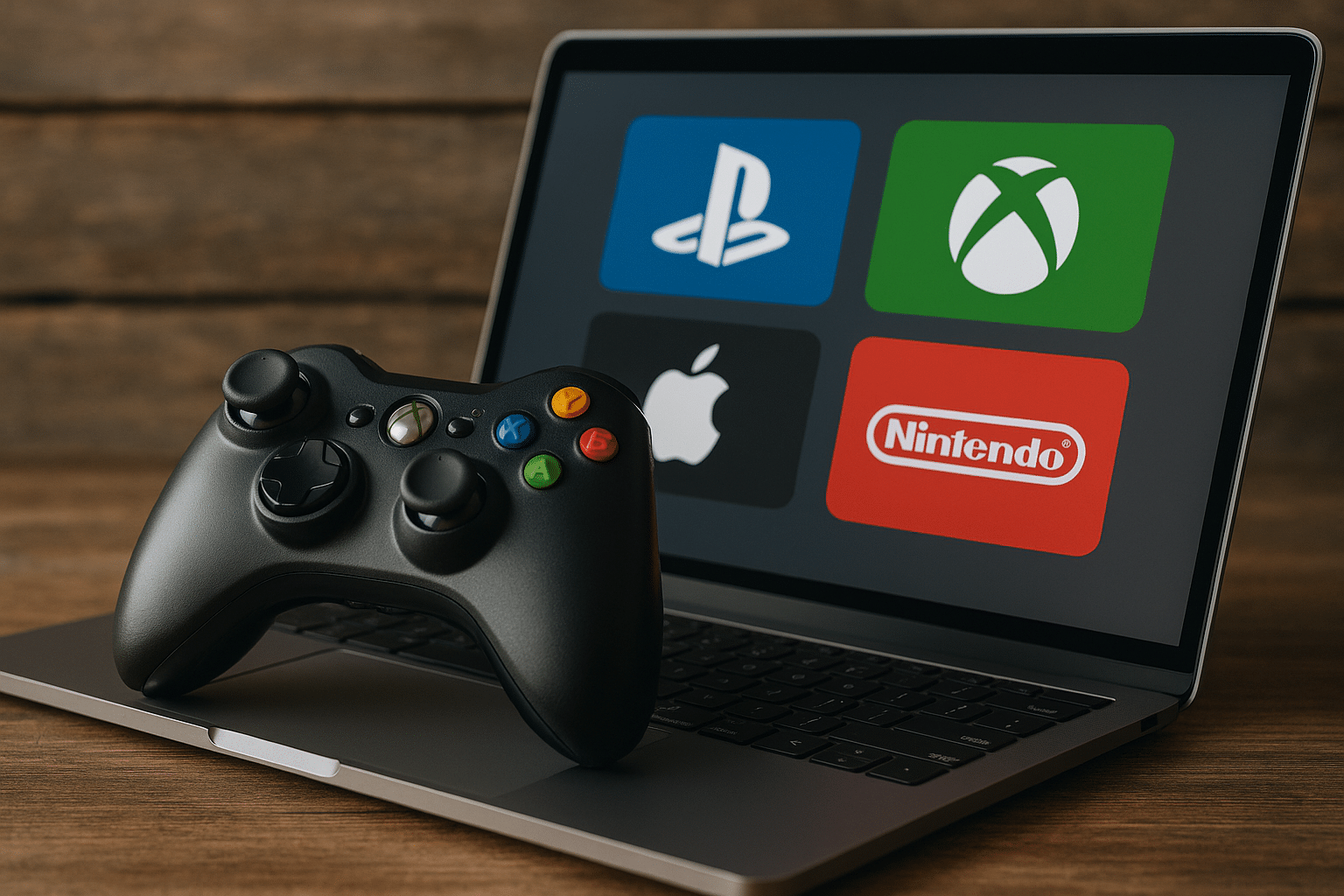
Perhaps no development has altered gaming economics more than the proliferation of subscription services. Microsoft’s Xbox Game Pass, launched in 2017, grew to over 34 million subscribers by 2024, offering access to hundreds of games including day-one releases of first-party titles. This Netflix-style model for games fundamentally changed consumer expectations and publisher strategies. Sony responded with a revamped PlayStation Plus service in 2022, combining online play access with a game library.
Cloud gaming emerged as a complementary technology, with services like Xbox Cloud Gaming, NVIDIA GeForce Now, and Amazon Luna allowing players to stream games without dedicated hardware. While Google Stadia launched with significant investment in 2019, it was discontinued in 2023, demonstrating that technology alone could not guarantee market success.
Industry milestone: Xbox Game Pass reported having over 34 million subscribers as of early 2024, representing significant growth from approximately 10 million in 2020. Mobile gaming accounted for roughly half of global gaming revenue by 2023, with the mobile games market valued at over $90 billion annually.
Mobile Gaming and Free-to-Play Dominance

Mobile gaming transformed from casual entertainment into the largest segment of the gaming market. Games like Pokémon GO, which launched in 2016 and generated over $6 billion in its first five years, demonstrated the unique potential of mobile platforms. Free-to-play titles such as PUBG Mobile, Genshin Impact, and Honor of Kings achieved massive global audiences, with the latter boasting over 100 million daily active users in China alone at its peak.
The free-to-play model, supported by microtransactions and battle passes, became dominant across platforms. Fortnite, released by Epic Games in 2017, exemplified this approach, generating billions in revenue while remaining free to download. This model’s success led traditional publishers to incorporate similar monetization strategies into premium releases, creating ongoing industry debate about fair practices and game design impact.
Esports Growth and Mainstream Recognition

Esports evolved from niche competitions to mainstream entertainment over the decade. The League of Legends World Championship regularly attracted over 100 million viewers for its finals, while The International Dota 2 tournament distributed prize pools exceeding $40 million through crowdfunding. Major traditional sports organizations, including the NBA, NFL, and Formula 1, launched official esports leagues partnering with established game publishers.
Infrastructure investments expanded dramatically, with dedicated esports arenas opening in cities worldwide. Collegiate esports programs proliferated at universities, offering scholarships and establishing official varsity teams. However, the industry also faced challenges including team profitability concerns and questions about sustainable business models as initial investor enthusiasm tempered.
Editorial context: While esports viewership numbers have reached impressive heights, industry analysts note that monetization has not always kept pace with audience size. Several esports organizations have faced financial difficulties, and the sector continues to seek sustainable long-term business models.
Virtual Reality and Emerging Platforms

Virtual reality gaming matured significantly, transitioning from expensive early-adopter technology to more accessible consumer products. The Meta Quest 2, released in 2020, sold over 20 million units by 2023, making standalone VR gaming viable for mainstream audiences. Sony’s PlayStation VR2, launched in 2023, brought advanced VR capabilities to console players with improved displays and haptic feedback.
Half-Life: Alyx, released by Valve in 2020, demonstrated that VR could deliver AAA-quality gaming experiences, earning widespread critical acclaim. Beat Saber became a cultural phenomenon, introducing millions to VR through accessible rhythm gameplay. While VR adoption has grown steadily, the technology has not yet achieved the ubiquity some predicted, with content availability and comfort improvements remaining ongoing development priorities.
Gaming as Social Infrastructure and Cultural Force

The COVID-19 pandemic accelerated gaming’s role as social infrastructure. Platforms like Animal Crossing: New Horizons, released in March 2020, sold over 44 million copies as players sought virtual spaces for connection during lockdowns. Games increasingly hosted concerts, with Fortnite’s Travis Scott virtual event in 2020 attracting over 27 million participants and signaling new possibilities for entertainment crossover.
Content creation around gaming exploded, with Twitch streaming viewership reaching billions of hours annually. Gaming’s cultural influence extended into fashion, music, and film, with adaptations like The Last of Us HBO series achieving critical and commercial success. The medium achieved broader recognition as an art form and legitimate career pursuit rather than mere adolescent entertainment.
Key takeaway: The gaming industry’s evolution over the past decade has been defined by accessibility expansion through multiple platforms and business models, rather than any single technological breakthrough. This democratization has transformed gaming from a hobby into a fundamental entertainment medium reaching across demographics and geographies.
What the Future Holds for Interactive Entertainment

As the gaming industry enters its next phase, the foundations laid over the past decade position it for continued expansion and innovation. Subscription services, cloud gaming, and mobile platforms have diversified how players access games, while technologies like VR and advanced AI promise new experiences yet to be fully realized. What remains clear is that gaming has established itself as a permanent and influential force in global entertainment, with the trajectory of the past decade suggesting that its cultural and economic significance will only deepen in the years ahead.