

Xbox Cloud Gaming Is Getting Monthly Time Limits
Microsoft introduces usage caps for cloud gaming subscribers, marking a significant shift in its Game Pass streaming strategy.
Microsoft has announced that Xbox Cloud Gaming is getting monthly time limits, introducing a significant change to how Game Pass subscribers can access streaming gameplay. The company revealed in June 2025 that starting later in the year, cloud gaming usage will be capped based on subscription tier, with Game Pass Standard members receiving approximately 50 hours of streaming time per month. This policy shift represents Microsoft’s first implementation of usage restrictions on its cloud gaming platform since the service launched as part of Game Pass Ultimate in 2020, signaling a new approach to managing server resources and subscription value.
Understanding the New Cloud Streaming Restrictions

The newly announced time limits will apply differently depending on which Game Pass subscription tier a user holds. According to Microsoft’s official communications, Game Pass Standard subscribers will receive roughly 50 hours of cloud gaming access each month. Game Pass Ultimate members, who pay a higher monthly fee, will retain more generous streaming allowances, though Microsoft has not publicly specified the exact hour allocation for this tier at the time of the announcement.
Microsoft has indicated that these limits are designed to ensure fair access to cloud gaming resources across its subscriber base. The company noted that the vast majority of current cloud gaming users would not be affected by these caps based on typical usage patterns. However, heavy users who rely primarily on cloud streaming rather than local downloads may need to adjust their gaming habits or consider upgrading their subscription tier.
How Xbox Game Pass Cloud Gaming Has Evolved

Xbox Cloud Gaming, formerly known as Project xCloud, launched in September 2020 as an included benefit for Game Pass Ultimate subscribers. The service allows users to stream games directly to compatible devices including smartphones, tablets, web browsers, and certain smart TVs without downloading titles locally. Since its introduction, Microsoft has positioned cloud gaming as a key pillar of its strategy to reach players across multiple platforms and devices.
The service has undergone several expansions since launch, including the addition of touch controls for mobile devices, integration with Samsung smart TVs, and the rollout of dedicated streaming hardware through partnerships. Microsoft has also upgraded its cloud gaming servers to Xbox Series X hardware, enabling improved performance and faster load times for streaming users. Until this announcement, cloud gaming access was unlimited for all eligible subscribers.
Cloud Gaming Market and Competitor Comparison

Microsoft’s decision to implement time limits follows a broader industry pattern where cloud gaming providers have experimented with various access models. NVIDIA’s GeForce Now service operates on a tiered system where free users face session time limits and queue waits, while paid subscribers receive priority access and longer session lengths. Amazon’s Luna service uses a channel-based subscription model with different content libraries available at different price points.
The introduction of usage caps at Microsoft comes as cloud gaming infrastructure costs remain substantial. Operating data centers with high-performance gaming hardware requires significant ongoing investment in electricity, cooling, maintenance, and bandwidth. By implementing time limits, Microsoft may be seeking to balance the costs of providing cloud gaming with the subscription revenue generated by different tiers of Game Pass membership.
What Monthly Streaming Limits Mean for Subscribers

For the average cloud gaming user, 50 hours per month translates to approximately one hour and 40 minutes of daily streaming access. Microsoft has stated that internal data suggests most cloud gaming users fall well within this threshold during typical monthly usage. However, players who use cloud gaming as their primary method of accessing Game Pass titles, particularly those without a dedicated Xbox console or gaming PC, may find these limits more restrictive.
The policy change may particularly affect mobile-focused gamers who rely on cloud streaming due to hardware limitations. Players traveling frequently or those who prefer the flexibility of not downloading large game files could see their usage patterns impacted. Microsoft has indicated that subscribers will have access to tracking tools within the Xbox app to monitor their remaining streaming time throughout each billing period.
Related Posts

Netflix Is Turning Willy Wonka’s Chocolate Factory Into a Real-World Social Experiment

Reality TV & Entertainment Netflix Is Turning Willy Wonka’s Chocolate Factory Into a Real-World Social Experiment A new Netflix competition series reimagines Roald Dahl’s classic…

Microsoft Announces Major Xbox Restructuring With 268 Layoffs, Halo Moves to Activision, and Studio Closures
Gaming Industry News Microsoft Announces Major Xbox Restructuring With 268 Layoffs, Halo Moves to Activision, and Studio Closures A sweeping new phase of Microsoft’s Xbox…
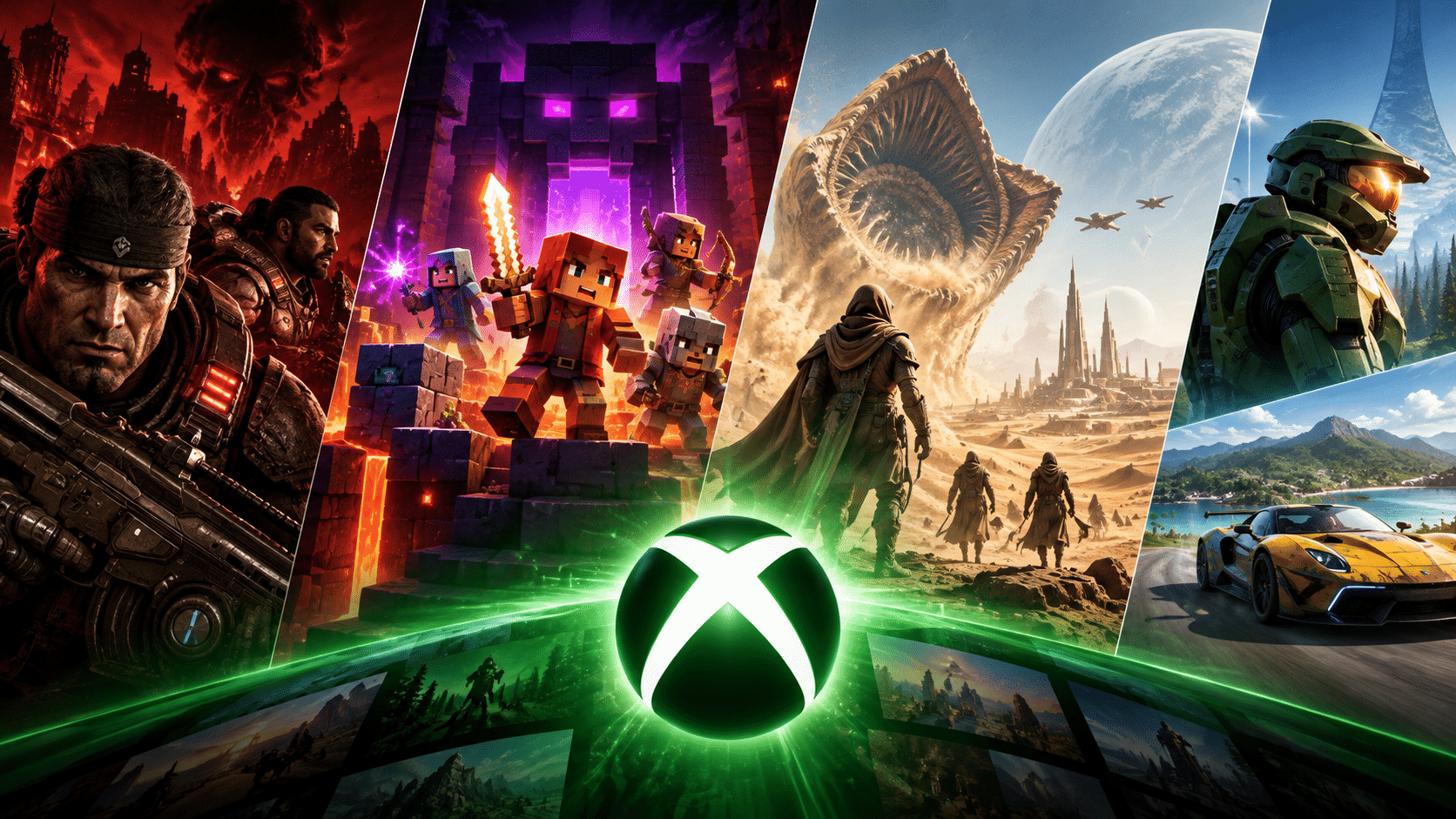
Coming to Xbox Game Pass Soon — Gears of War E-Day, Minecraft Dungeons II, Dune Awakening, and More
Game Pass Coming to Xbox Game Pass Soon — Gears of War: E-Day, Minecraft Dungeons II, Dune: Awakening, and More A full breakdown of every…