Augmented Reality (AR) smart glasses are emerging as a transformative technology, poised to redefine our interaction with the digital and physical worlds. Initially conceptualized within the realms of science fiction, AR technology has rapidly evolved, hinting at a future where digital information is seamlessly integrated into our visual field, enhancing everyday experiences. This technology, once a novel concept found only in the most cutting-edge labs, is now on the cusp of mainstream adoption, promising to revolutionize industries, education, entertainment, and our daily lives. The potential of AR smart glasses extends beyond mere convenience, offering unprecedented opportunities for learning, accessibility, and personal connection.
The Technology Behind AR Smart Glasses
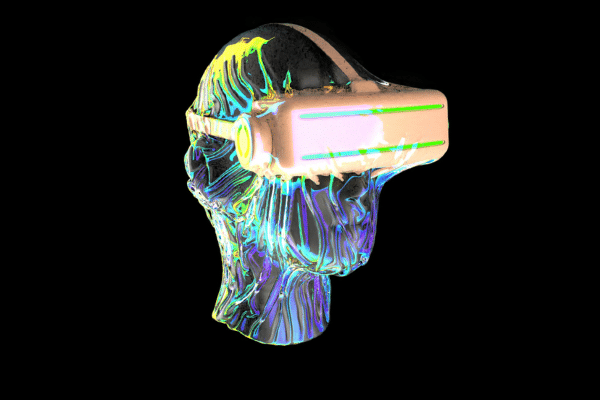
Augmented Reality smart glasses represent a significant leap forward in how we interact with technology. At their core, these devices blend digital content with the physical world, overlaying information and virtual objects onto our natural environment. This is achieved through sophisticated display technology, advanced sensors, and specialized software that create interactive, three-dimensional experiences. The mechanics of AR glasses involve projecting images directly into the user’s field of vision, creating a seamless blend of virtual and real-world views. These glasses are equipped with cameras, accelerometers, gyroscopes, and sometimes even environmental sensors to understand and interact with the user’s surroundings, offering personalized, context-aware information.
The development and refinement of AR smart glasses technology are driven by the pursuit of creating a device that is not only functional but also comfortable and stylish to wear. Challenges such as minimizing latency to prevent user discomfort, ensuring sufficient battery life for practical daily use, and achieving an unobtrusive design are at the forefront of this endeavor. Additionally, the user interface (UI) design is critical, as it must enable intuitive interaction with digital content without overwhelming the user. Innovations in voice commands, eye tracking, and gesture recognition are making it increasingly natural to control and navigate augmented reality experiences, marking a significant step towards the widespread adoption of AR glasses.
Everyday Applications and Utility

The integration of AR smart glasses into everyday life is set to transform how individuals engage with the world around them. These devices are already making waves in professional settings, offering hands-free access to data, procedural guidance, and remote expert assistance. For instance, field technicians with AR glasses can receive real-time instructions and diagrams overlaid on their field of view, enhancing accuracy and efficiency in repairs and installations. Similarly, in the medical field, surgeons can use AR glasses to display vital patient information during procedures or to visualize complex anatomical structures, potentially improving surgical outcomes.
Beyond the professional realm, AR smart glasses hold immense potential for personal and social use. Imagine walking through a new city with turn-by-turn navigation and points of interest highlighted directly in your field of vision, enriching your travel experience without the need to look down at a smartphone constantly. Fitness enthusiasts could benefit from personalized workouts and health metrics displayed in real-time, encouraging healthier lifestyles. Furthermore, integrating social media could redefine interactions, allowing users to share augmented reality experiences or receive information about people they meet, blending socialization’s digital and physical aspects in novel and exciting ways.
Enhancing Accessibility and Learning
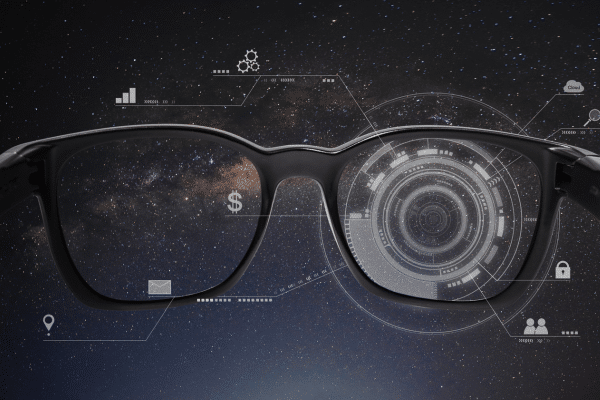
AR smart glasses are poised to break down barriers and open new avenues for accessibility and learning. For individuals with disabilities, these devices can significantly enhance daily life by providing auditory descriptions of visual scenes, real-time text translation for those with hearing impairments, or navigation assistance for the visually impaired. This level of support can foster greater independence and inclusivity, allowing everyone to engage more fully with their environment. Moreover, the potential for AR glasses to display contextual information about surroundings or to offer facial recognition can further bridge gaps in social interactions and spatial awareness.
In the educational sector, AR smart glasses promise to revolutionize learning methodologies. By superimposing digital information onto the physical world, students can explore complex concepts in a highly interactive and immersive manner. Whether visualizing historical events as if they’re unfolding in front of them, dissecting virtual models of human anatomy, or conducting simulated experiments, AR technology can cater to various learning styles and needs. This hands-on approach makes learning more engaging and enhances comprehension and retention by grounding abstract concepts in tangible experiences. As educational institutions begin to embrace this technology, the classroom of the future may well be one where digital and physical realities converge to enrich the academic journey.
The Intersection with Entertainment and Gaming

Entertainment and gaming are on the cusp of a transformation driven by the advent of AR smart glasses. These devices are set to revolutionize the gaming industry by blending the digital and physical worlds, creating immersive experiences beyond the screen. Players can interact with game elements superimposed on their real-world environment, turning familiar surroundings into dynamic playgrounds. This evolution in gaming opens up limitless possibilities for gameplay, narrative, and interaction, making the gaming experience more engaging and versatile than ever before.
Beyond gaming, AR smart glasses are redefining entertainment by offering new ways to experience media. Imagine watching a movie or a live performance where digital effects and characters appear in your living space, creating a 3D cinematic experience that is both personal and immersive. Concerts and sporting events can be enhanced with real-time statistics, player information, or even alternate camera angles displayed through the glasses, providing a richer, more interactive viewing experience. This blend of AR technology and entertainment has the potential to create entirely new content genres and consumption models, making passive viewing a thing of the past.
Privacy and Ethical Considerations
As AR smart glasses become more integrated into daily life, they raise significant privacy and ethical concerns that must be addressed. The capability of these devices to record and analyze the environment, potentially without the explicit consent of those within it, poses a risk to personal privacy. Questions arise about who owns and has access to the data collected by AR glasses, how it is used, and the potential for surveillance. Ensuring robust privacy protections and transparent data practices will be crucial for maintaining user trust and ethical standards.
Moreover, the widespread adoption of AR glasses introduces ethical dilemmas surrounding misinformation and the digital divide. The ability to overlay digital information onto the real world raises concerns about manipulating reality and spreading false information. Additionally, as with any new technology, there’s a risk that the benefits of AR glasses could be unevenly distributed, exacerbating social inequalities. Addressing these ethical implications requires a multifaceted approach, including regulatory oversight, industry standards, and public discourse, to ensure that AR technology benefits society.
Overcoming Challenges for Widespread Adoption

The path to widespread adoption of AR smart glasses is fraught with technical and social challenges. On the technical front, issues such as limited battery life, display resolution, and user interface design need to be overcome to deliver a functional and appealing product to the mainstream market. Developing lightweight, stylish glasses with intuitive controls and enough power to last a day of use remains a significant hurdle for manufacturers. Additionally, ensuring seamless integration with existing devices and services is crucial for user convenience and adoption.
Social acceptance of AR smart glasses also poses a challenge. Concerns about privacy, data security, and the potential for distraction must be addressed to reassure the public. Moreover, overcoming the perception of AR glasses as obtrusive or socially awkward is essential for widespread use. Manufacturers and developers must work to create devices that are not only technologically advanced but also socially acceptable, blending into everyday life without drawing undue attention or disrupting social norms.
Final Thoughts
AR smart glasses stand at the forefront of a technological revolution, poised to transform our interaction with the world profoundly. By seamlessly integrating digital information into our physical environment, they offer a glimpse into a future where our digital and physical realities are intertwined. As we navigate the challenges and opportunities presented by this technology, it’s clear that AR smart glasses have the potential to enhance every aspect of our lives, from work and education to entertainment and social interactions. Embracing this future requires technological innovation and thoughtful consideration of the ethical and social implications.